Home cleaning appliances make more sense when you start with the mess, surface, and removal mechanism, not a feature list. Dry pickup, extraction, steam, wet washing, scrubbing, automation, installed vacuuming, and powered window cleaning solve different jobs. Each mechanism creates different storage, cleanup, and maintenance work. The goal is to identify the right type before comparing machines.
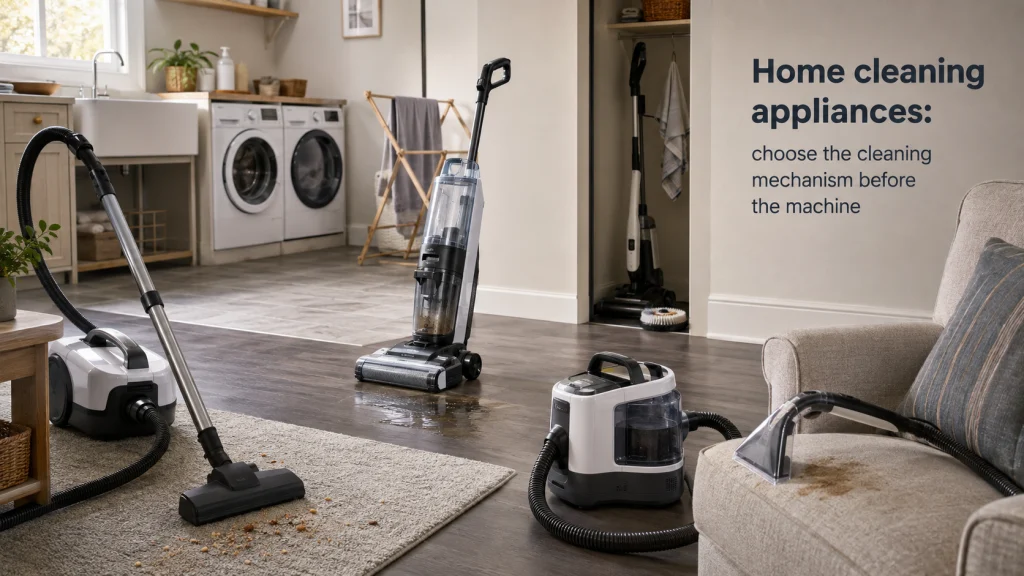
Start with the cleaning mechanism, not the machine category
A sticky kitchen spill, embedded carpet stain, dusty staircase, shower grout, and dirty window can all send a reader looking at home cleaning appliances. They do not ask a machine to do the same work. Some jobs need dry debris lifted away, while others need liquid extraction, heat and moisture, powered agitation, or dirty-water recovery. Home cleaning appliances become confusing when those different mechanisms are treated as interchangeable.
This distinction matters before you compare suction claims, smart features, attachments, or tank sizes. A vacuum does not automatically wash a hard floor, a steam mop does not recover dirty water like a wet floor cleaner, and a rotating-pad mop is not an extractor. Window equipment splits the same way, because handheld liquid recovery and suction-adhered automation create different workflows. Once the mechanism is right, the rest of the buying decision becomes much easier to control.

This cordless handheld vacuum is designed for compact home and car cleanup. Its rotating nozzle helps position the cleaning path around different areas. The package includes a crevice tool and charging station for everyday storage and reach.
Check On AmazonIf you click this link and buy, we earn a commission at no additional cost to you.
What counts as household cleaning equipment here
Household cleaning appliances here means powered indoor equipment that removes, loosens, recovers, washes, or scrubs household soil. The scope includes manual vacuums, robot floor cleaners, carpet extractors, portable spot cleaners, steam machines, vacuum mops, powered mops, shop vacuums, electric scrubbers, central vacuums, window vacuums, and window-cleaning robots. The group is broad because household messes vary. Each type still needs a clear mechanical boundary before it can be compared fairly.
The scope stops where the task becomes a different household system or a professional job. Laundry care, outdoor pressure washing, pool equipment, commercial janitorial machines, and professional facade-access equipment are outside this decision. Air purifiers are also excluded because they manage airborne particles rather than the surface-cleaning jobs mapped here. The focus stays on owner-level cleaning, with exact manuals controlling model-specific use and safety.
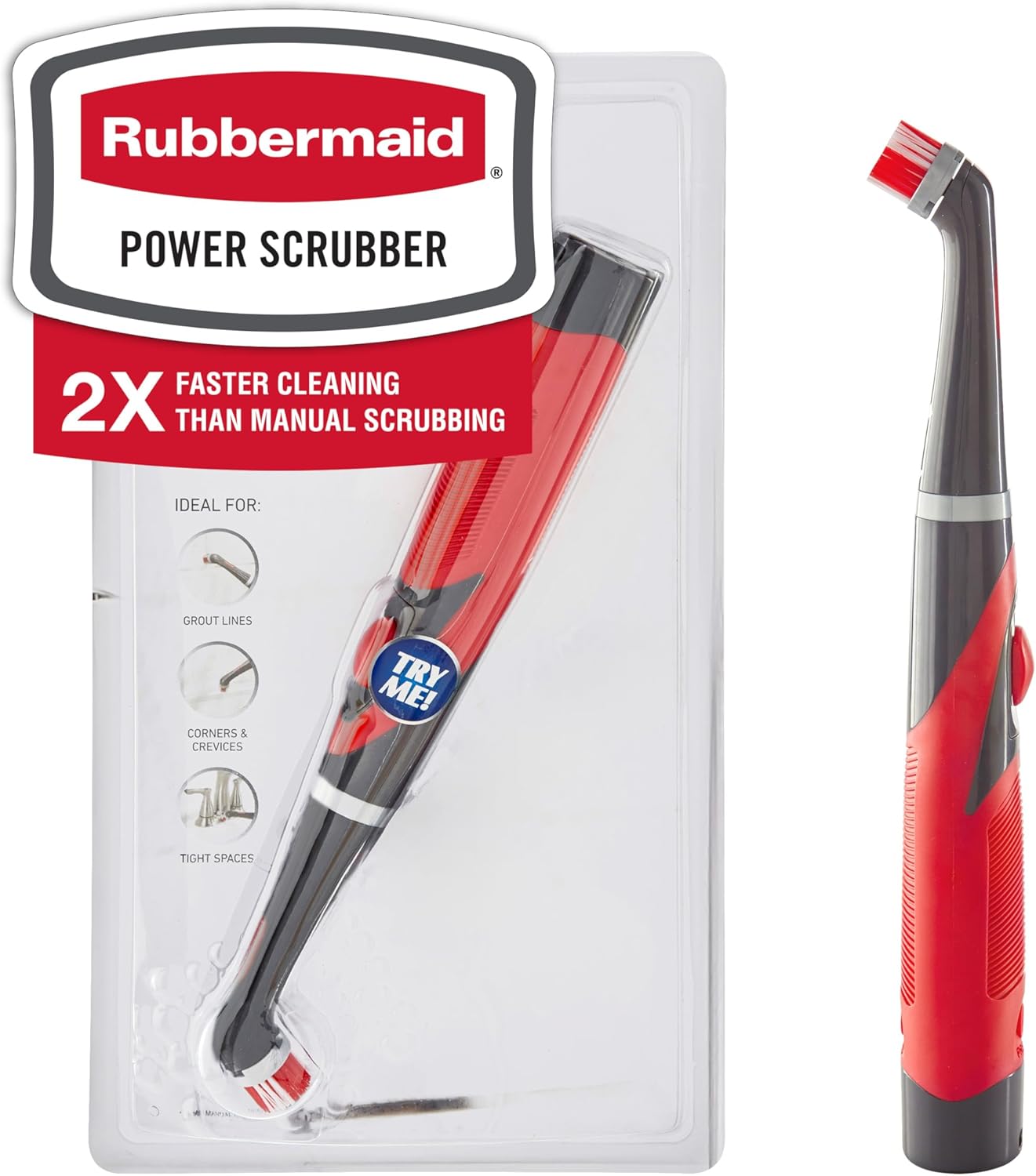
This cordless scrub brush uses battery-powered motion for detail cleaning. Its multipurpose head is designed for powered surface scrubbing. The scrubber is listed as water resistant for common household cleaning tasks.
Check On AmazonIf you click this link and buy, we earn a commission at no additional cost to you.
Use the mess and surface to narrow the mechanism first
Describe the job in physical terms before looking at machines. Start with dry versus wet, then identify the surface and whether the soil is loose, embedded, stuck on, or already suspended in liquid. Next decide whether the job needs pickup, recovery, heat, agitation, automation, or an installed system. That sequence removes whole equipment types before feature lists get involved.
A first-time buyer may see wet, dry, mop, steam, or multi-surface on a box and assume broad compatibility. Those labels do not prove that a floor, fabric, finish, or pane can tolerate the method. Check the appliance instructions and the surface maker’s care guidance together. Use the more restrictive requirement when the two do not align.
| Decision point | Route | Otherwise |
|---|---|---|
| Loose, dry debris? | Vacuum; robot if automated. | Continue. |
| Wet-cleanable carpet or upholstery? | Room or spot extractor. | Continue. |
| Moisture-safe hard floor? | Vacuum mop or powered mop. | Dry method. |
| Steam permitted? | Steam cleaner. | Non-steam method. |
| Utility wet/dry pickup? | Shop vacuum. | Continue. |
| Detail agitation? | Powered scrubber. | Continue. |
| Installed dry pickup? | Central vacuum. | Portable equipment. |
| Smooth glass? | Window vacuum or window robot. | Return to surface branch. |
Read this as a branching route, not a list of products. Each answer narrows the mechanism before you compare size, controls, accessories, or price. A combo label matters only after you confirm which mechanisms are actually present. The right branch should match both the mess and the ownership workflow.

This portable extractor is built for localized carpet, upholstery, and car-detailing work. It includes a 4-inch tough stain tool for targeted cleaning. The HydroRinse self-cleaning tool supports rinsing the machine after use.
Check On AmazonIf you click this link and buy, we earn a commission at no additional cost to you.
Choose a manual vacuum when the primary job is dry pickup
A manually guided vacuum is the starting point when the main need is dry pickup from floors, stairs, furniture, or edges. Upright, canister, stick, cordless, and handheld designs can all serve that mechanism. Their weight, reach, cleaning head, power source, and storage needs differ enough to matter in daily use. A machine that feels easy on open carpet may be awkward on stairs or under furniture.
Do not reduce the choice to a single suction number. Floor-head design, brush behavior, filtration, bin or bag maintenance, cord or battery handling, and attachment access all affect ownership. If dry pickup is the mechanism you need, compare the types of vacuum cleaners for different surfaces and household layouts. Keep wet recovery, steam, and automation out of the decision unless a separate job actually requires them.
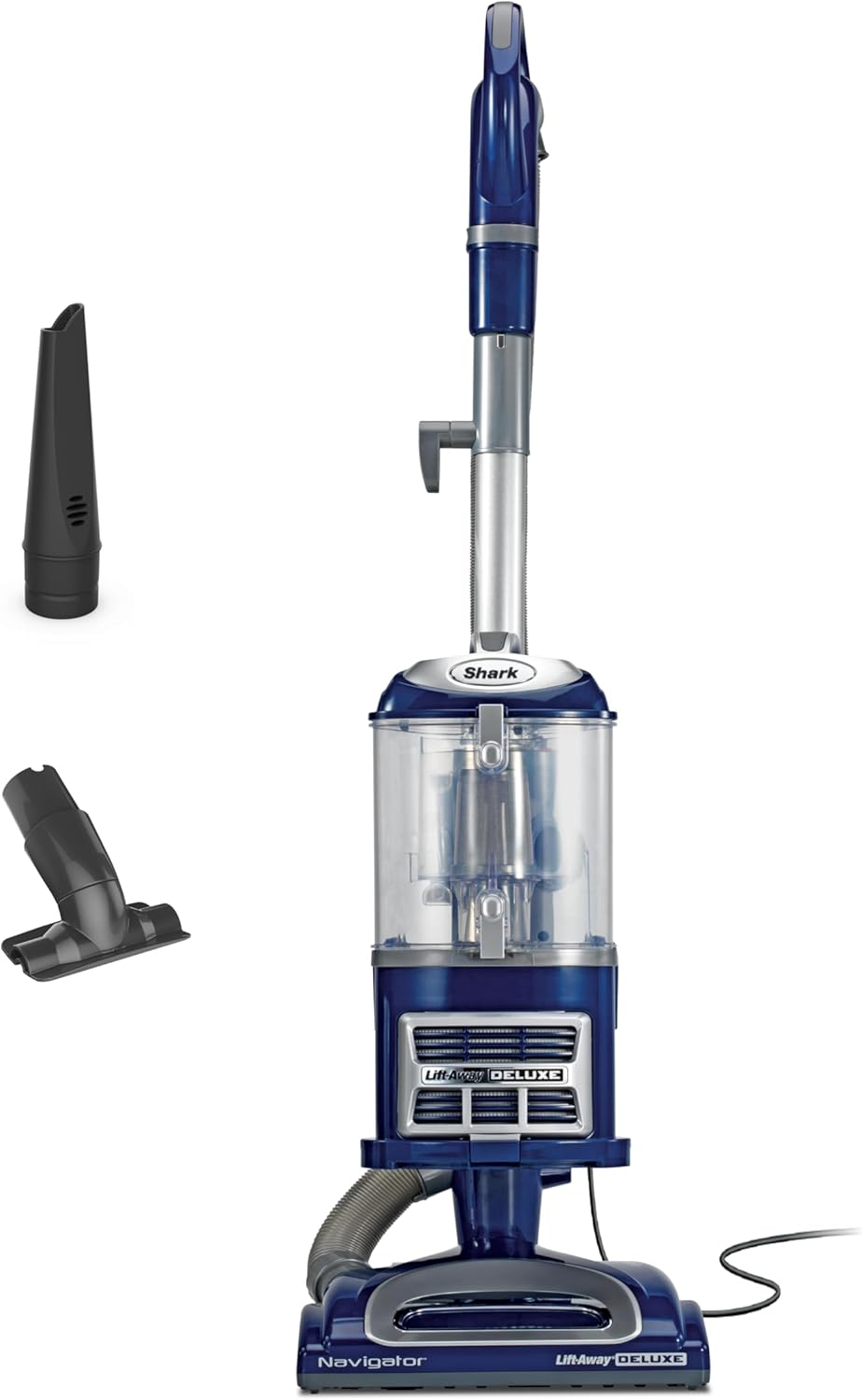
This upright vacuum includes a Lift-Away pod for cleaning beyond open floor areas. Brushroll shutoff supports switching between carpet and hard-floor cleaning. It has a 0.9-quart dust cup plus upholstery and crevice tools.
Check On AmazonIf you click this link and buy, we earn a commission at no additional cost to you.
Treat robot vacuums and robot mops as a floor-automation system
Robot cleaners solve a different problem from a manually guided vacuum even when both pick up the same crumbs. Their value is repeated floor maintenance with less active steering. Furniture clearance, cords, thresholds, rugs, maps, clutter, and dock placement become part of the operating environment. Independent testing also shows that robot cleaning should not automatically be treated as a replacement for deeper carpet cleaning.
Automation moves work rather than erasing it. Brushes collect hair, bins or dock bags fill, mop systems need water and pad care, and floors may still need preparation around cords or small objects. Community reports repeatedly identify obstacle handling and floor setup as real ownership friction. If automated maintenance fits the home, continue with the robot vacuum buying guide for layout, dock, obstacle, and maintenance decisions.

This robot combines vacuuming and mopping in one floor-maintenance system. LiDAR navigation and multiple cleaning modes organize automated coverage. It is designed to avoid mopping carpets and return for self-charging.
Check On AmazonIf you click this link and buy, we earn a commission at no additional cost to you.
Separate room-scale carpet extraction from portable spot cleaning
Carpet extraction adds water and cleaning solution, then recovers liquid and suspended soil from the carpet. A full-size machine is organized around larger areas, so tank handling, cleaning path, machine weight, drying conditions, and storage matter. The household also needs a practical place to fill, empty, rinse, and dry the equipment. That is a much larger routine than treating one localized stain.
A portable extractor is usually the better fit for a couch cushion, stair tread, vehicle seat, or small spot. Portability still does not prove fabric compatibility, so the textile care code and exact machine instructions matter. For larger carpeted areas, use the carpet cleaner buying guide for extraction and ownership trade-offs. For targeted work, use the portable carpet cleaner buying guide for spot and upholstery cleaning.

This full-size carpet cleaner is built for room-scale wet cleaning. SpinScrub brushes provide powered agitation across the cleaning path. HeatForce drying and included pet and upholstery tools support larger carpet-cleaning jobs.
Check On AmazonIf you click this link and buy, we earn a commission at no additional cost to you.
Do not confuse steam with dirty-water recovery
Steam cleaning and wet floor washing can both involve moisture, but they use different mechanisms. A steam machine uses heated vapor with a pad, cloth, nozzle, or accessory to loosen soil. A wet floor cleaner commonly dispenses liquid, agitates the floor, and pulls dirty liquid into a recovery path. That difference matters if you expect the machine to remove soiled water rather than transfer soil into a pad.
Surface compatibility is the harder boundary. An appliance maker may approve an exact steam model for certain sealed floors while a flooring manufacturer prohibits steam on its product. Generic phrases such as sealed floor are therefore not enough to settle the question. If steam is allowed for the exact surface, use the steam cleaner buying guide for surface, attachment, and maintenance fit.

This steam mop is listed for compatible hardwood and tile floor cleaning. Variable steam control lets the user adjust steam output for the job. An Easy Scrubber and 12-inch cleaning path provide detail cleaning and floor coverage.
Check On AmazonIf you click this link and buy, we earn a commission at no additional cost to you.
Use a vacuum mop when pickup and wash-water recovery belong in one pass
A vacuum mop fits hard-floor jobs that combine loose debris, washable soil, and recovery of dirty liquid. The machine must manage pickup, water delivery, roller contact, and a dirty-water path at the same time. That can reduce separate vacuuming and mopping passes. It also creates a reset routine around the roller, recovery tank, filter, channels, and sometimes a dock.
The time saved on the floor only counts if that cleanup routine fits the household. Surface guidance also varies by exact machine, so the product class does not prove that every hard floor should receive the same moisture level or formula. A mostly hard-floor home may benefit more than a carpet-heavy home where the machine sits unused. Compare the vacuum mop buying guide for floor compatibility, tanks, rollers, and post-clean work.

This wet-dry floor cleaner vacuums and mops in one step. Its 180-degree lay-flat design is built for reaching under low furniture. Anti-tangle design and dual-sided edge cleaning support routine hard-floor maintenance.
Check On AmazonIf you click this link and buy, we earn a commission at no additional cost to you.
Choose a powered mop when agitation matters more than liquid recovery
A powered mop uses motorized pads or another driven cleaning surface to reduce manual scrubbing. It can suit compatible hard floors with footprints, film, or routine washable soil. The main job is agitation, not suction-based recovery of dirty water. That separates this equipment from a vacuum-and-wash floor cleaner even when both use moisture.
Pad care, floor compatibility, cleaning-solution rules, and cord or battery handling still matter. A buyer expecting one machine to pick up debris, wash a spill, scrub residue, and recover liquid may be asking too much of this mechanism. If powered pad action is enough, see the electric spin mop comparison for pad action, floor fit, and handling. A manual mop remains a valid cheaper choice when it already handles the job without unreasonable effort.
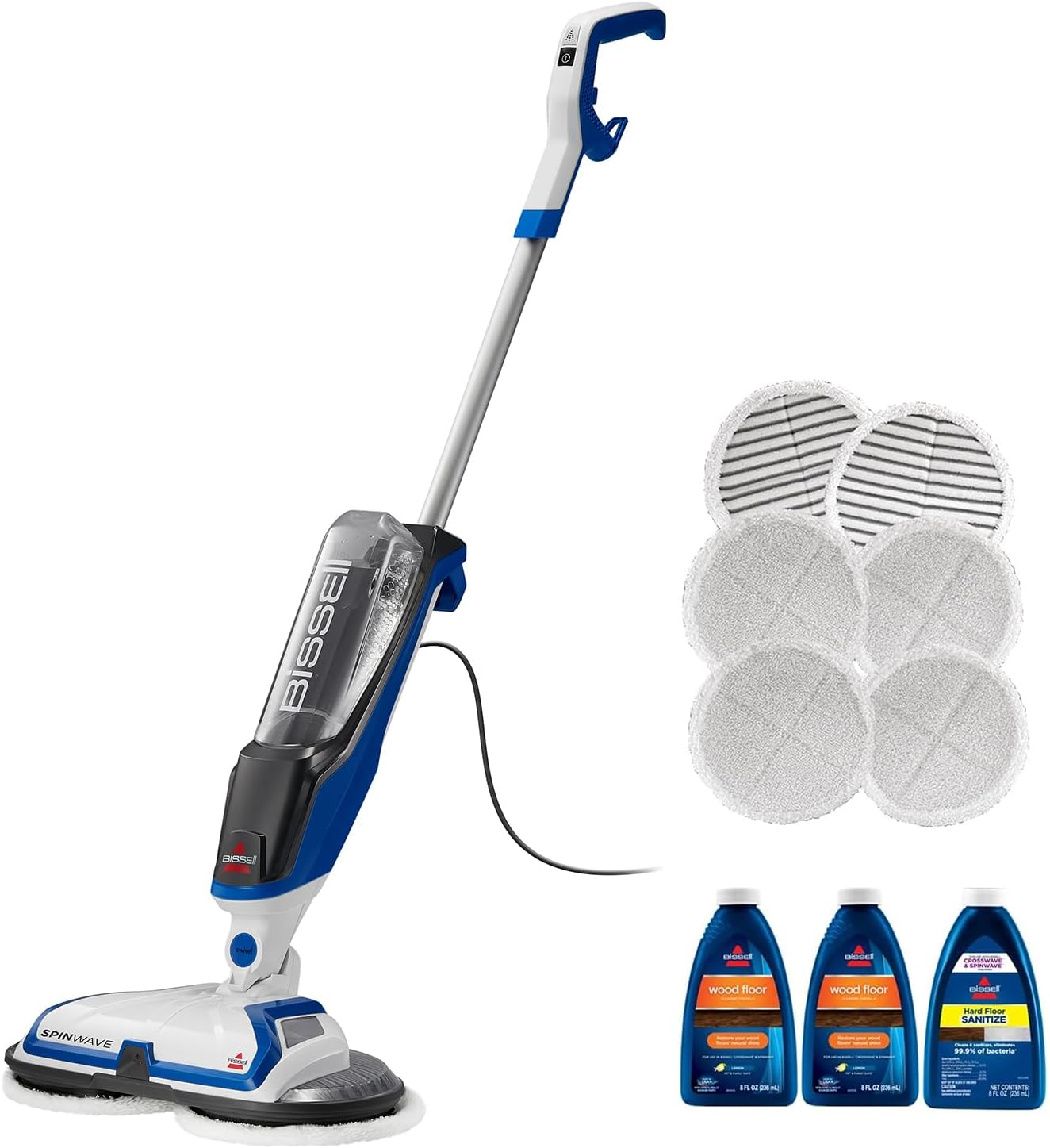
This corded spin mop uses powered pad rotation for hard-floor cleaning. Its washable reusable pads provide the contact surface for routine scrubbing. Corded operation supplies continuous power without a battery-charging cycle.
Check On AmazonIf you click this link and buy, we earn a commission at no additional cost to you.
Route utility wet and dry pickup to a shop vacuum
A canister-style wet/dry shop vacuum is built around utility pickup rather than finished-floor convenience. It fits garage debris, workshop dust, vehicle cleanup, bulky material, or recoverable liquid better than a typical indoor floor vacuum. The wet/dry label still does not mean every pickup mode uses the same filter or setup. The exact manual should control filter, accessory, and operating configuration.
This equipment can overlap with household cleaning without replacing daily floor care. A large utility vacuum may be useful after a garage spill and still be annoying for bedroom carpet. Hose diameter, tank size, drain design, cord handling, and storage footprint can matter more than a headline power claim. If the utility job is frequent enough, use the shop vacuum buying guide for wet pickup, filters, hose size, and storage.

This CRAFTSMAN model is a wet-dry shop vacuum. Its tank capacity is 2.5 gallons. The listing rates the unit at 2.5 peak horsepower.
Check On AmazonIf you click this link and buy, we earn a commission at no additional cost to you.
Use powered detail scrubbers where brush action is the main job
An electric spin scrubber is not a vacuum, extractor, or steam cleaner. Its job is powered brush contact on a limited area. That can make sense for compatible grout, shower surfaces, fixtures, edges, or other places where repeated hand scrubbing is the main burden. Brush shape, reach, control, and surface tolerance matter more than simply choosing the fastest or stiffest option.
The mechanism also has a clear limit. If the problem is loose debris or dirty liquid that needs removal, the scrubber still needs another cleaning step afterward. It may loosen residue while leaving the household to wipe, rinse, or recover what was released. For that targeted job, use the electric spin scrubber comparison for brush fit, reach, and surface control.

This cordless electric scrubber includes seven replaceable brush heads for different cleaning areas. Its handle adjusts to three listed lengths of 12, 43, and 54 inches. Two motor speeds are listed at 300 and 500 RPM for controlled powered scrubbing.
Check On AmazonIf you click this link and buy, we earn a commission at no additional cost to you.
Treat a central vacuum as installed household infrastructure
A central vacuum changes the decision from choosing a portable cleaner to choosing an installed system. The motor and collection unit stay fixed while piping and inlets distribute suction access through the house. Layout, hose reach, storage, electrical requirements, collection access, and serviceability therefore become part of the purchase. The system can remove the need to carry the main vacuum body without eliminating hose or attachment handling.
House geometry controls fit more than a casual feature comparison can show. A portable machine can be replaced without changing the building, while an installed system depends on inlet placement and hidden infrastructure. Know the installation route and service access before comparing motor claims or accessory bundles. If installed vacuuming fits the home, use the central vacuum buying guide for layout, hose, collection, and installation decisions.

This central vacuum power unit is rated at 700 airwatts. Its hybrid filtration can be used with or without disposable bags. The 6.6-gallon 25-liter bottom-load canister is listed for systems covering up to 7,500 square feet.
Check On AmazonIf you click this link and buy, we earn a commission at no additional cost to you.
Split powered window cleaning into two different mechanisms
Two different consumer tools can hide under similar powered-window labels. A window vacuum removes liquid from smooth glass after wetting and wiping. A window-cleaning robot adheres to the pane and moves itself. The first centers on liquid recovery, while the second adds adhesion, navigation, power, and fall-protection requirements.
The buying checks are therefore different. Window vacuums raise questions about nozzle fit, dirty-water handling, reach, and suitable surfaces. Robots add pane geometry, frames, seams, surface condition, and the safety provisions in the exact instructions. Neither device justifies unsafe access or bypassing a safety system.
Use a window vacuum for handheld liquid recovery
Manufacturer guidance describes a sequence where the pane is wetted and cleaned before the device vacuums up dirty liquid. That makes the machine closer to a powered squeegee and recovery tool than an autonomous washer. Exact instructions still control suitable surfaces and cleaning solutions. For this mechanism, see the window vacuum comparison for liquid recovery, nozzle fit, and ownership routine.
Use a window-cleaning robot only when pane fit and safety are verified
Current manufacturer information shows why suction-adhered window robots deserve a separate equipment class. The robot relies on adhesion, sensors, and planned movement across the glass. Some designs also specify a safety cable or backup system, so those protections are part of normal operation rather than optional accessories. Continue with the window-cleaning robot comparison for pane geometry, supervision, and safety setup.

This window-cleaning robot pairs with a multifunction station for powered glass cleaning. The listing describes a triple-nozzle water sprayer and charging while working. ECOVACS also lists 12-level protection as part of the robot system.
Check On AmazonIf you click this link and buy, we earn a commission at no additional cost to you.
Decide whether the cleaning system should move or stay installed
Portable does not automatically mean convenient, and installed does not automatically mean restrictive. Portable equipment must be moved, stored, powered, and reset. Installed equipment shifts more burden to layout, hose storage, collection access, or a dedicated base. Frequency of use and movement between floors often decide which burden is easier.
Larger capacity can lose to easier handling. A bulky extractor stored far from a sink may be used less often than a smaller machine. The smaller option may need more refilling, but that trade-off can still fit the routine better. Judge the full route from storage to cleaning to cleanup.
| Decision point | Portable equipment | Installed or dock-dependent equipment |
|---|---|---|
| Movement | Body and accessories move | Main unit or base stays put |
| Storage | Measure machine and accessories | Measure base, hose, and service clearance |
| Setup | Power, fill, or tool changes | Dock, map, hose, or fixed access |
Use the comparison as a workflow check, not a rule. The better system keeps movement, setup, and cleanup acceptable. That may favor a smaller portable machine. It may also favor fixed equipment when carrying is the main burden.

This 5-gallon wet-dry vacuum is designed around a wall-mounted base. It includes an 18-foot hose for cleaning away from the mounted canister. The listing rates the unit at 5.5 peak horsepower and includes a 6-foot power cord.
Check On AmazonIf you click this link and buy, we earn a commission at no additional cost to you.
Compare the work that starts after the visible cleaning ends
Cleaning performance is only half of ownership. Dry vacuums create bin, filter, bag, and brush work, while extractors add tanks, hoses, rinsing, and drying. Vacuum mops add rollers and dirty-water paths, and robots can shift effort into docks, consumables, maps, and obstacle preparation. A faster cleaning pass can still create a longer reset.
Before buying, list what must be emptied, washed, dried, replaced, charged, or stored. That often explains why similar-looking machines feel different at home. Automation is useful when it removes work you perform often. Count any new tank, bag, tray, cycle, or proprietary consumable it adds.
- What touches dirt: brush, pad, roller, nozzle, hose, or filter?
- What holds waste: bag, bin, tank, dock bag, or canister?
- What must dry before storage?
- Which filters, bags, pads, brushes, or formulas recur?
- Where will emptying and rinsing happen?
The visible cleaning pass is only part of the job. Setup comes before it and cleanup follows it. A simpler machine can win when it handles the frequent task with less friction. Buying nothing is reasonable when existing equipment already covers the need.

This set includes two brushes for hard-to-clean household areas. Both brushes use sturdy nylon bristles and soft non-slip grips. The smaller brush has a compact pointed bristle profile for fixtures, thin grout lines, and other tight spaces.
Check On AmazonIf you click this link and buy, we earn a commission at no additional cost to you.
Know when the equipment choice needs a hard stop
Some decisions should stop before a feature comparison begins. Do not use steam where the surface manufacturer prohibits it, ignore wet-pickup setup instructions, or assume a cleaning formula is compatible because it fits in the tank. Window robots need the safety workflow specified for the exact model, and installed systems need appropriate installation. Model-specific manuals take priority for operating, maintenance, and compatibility requirements.
Owner-level troubleshooting also has a boundary. Damaged cords, sparks, smoke, burning odor, overheating, exposed wiring, leaks into electrical areas, uncontrolled operation, or a hard mechanical lock are reasons to stop using the equipment. Do not bypass safety devices or open energized equipment to finish a cleaning job. Follow the manufacturer’s service guidance when the problem moves beyond normal owner maintenance.
Check the details that a quick demo usually leaves unanswered
A demo can show a satisfying pass over a spill or a robot moving around furniture. It may not show cabinet clearance, tank emptying, dock placement, or whether the surface permits the method. Those details decide whether equipment still fits afterward. Compare physical fit and maintenance before premium features.
Spec decoding matters more than feature counting. Capacity should be weighed against filled weight, head width against furniture clearance, and automation against dock care. Multi-surface language still needs exact surface verification. If a claim cannot be translated into a household condition, it is not ready to drive the purchase.
| Demo | Verify | Ask |
|---|---|---|
| Large capacity | Filled weight. | Manageable full? |
| Multi-surface | Exact approval. | My surface listed? |
| Self-cleaning | Manual care left. | What needs rinsing? |
| Automatic | Dock, obstacles. | Layout compatible? |
| Wet/dry | Mode changes. | Required changes? |
| Lightweight | Filled weight. | Easy to carry? |
| Fast cleanup | Post-clean care. | Aftercare required? |
Use the checklist beside any video that makes a machine look unusually simple. Video is useful for seeing movement and the visible pass, while text and documentation can pin down fit, compatibility, maintenance, and stop conditions. Those checks expose trade-offs that may sit outside the camera frame. They also stop unlike systems from being ranked as equals.

This tape measure uses a 25-foot double-sided blade for dimensional checks. Its blade is nylon reinforced and fitted with a double hook. The housing includes a metal belt clip for carrying the tool between measurements.
Check On AmazonIf you click this link and buy, we earn a commission at no additional cost to you.

This battery-powered window vacuum removes liquid from smooth glass after wet cleaning. The WV 1 Plus uses a 10-inch electric squeegee for the recovery pass. The package includes cleaning solution and spray bottles for the window-cleaning workflow.
Check On AmazonIf you click this link and buy, we earn a commission at no additional cost to you.
Final thoughts: choose the workflow before the feature list
The strongest cleaning purchase starts with a plain description of the mess and ends with a realistic picture of storage and cleanup. Dry pickup, extraction, steam, wet washing, powered mopping, utility pickup, detail scrubbing, installed vacuuming, and powered window cleaning move dirt differently. Once you identify the mechanism, you can reject machines that do not match the surface or routine. That is a better filter than assuming more attachments or automation will cover every job.
Verify the exact surface guidance, cleaning path, maintenance parts, and storage space before buying. Choose the simpler or smaller option when it solves the recurring job with less burden. Skip a purchase when current equipment already covers the need. For model-specific compatibility, maintenance, or safety questions, use the exact manufacturer documentation rather than a generic product label.
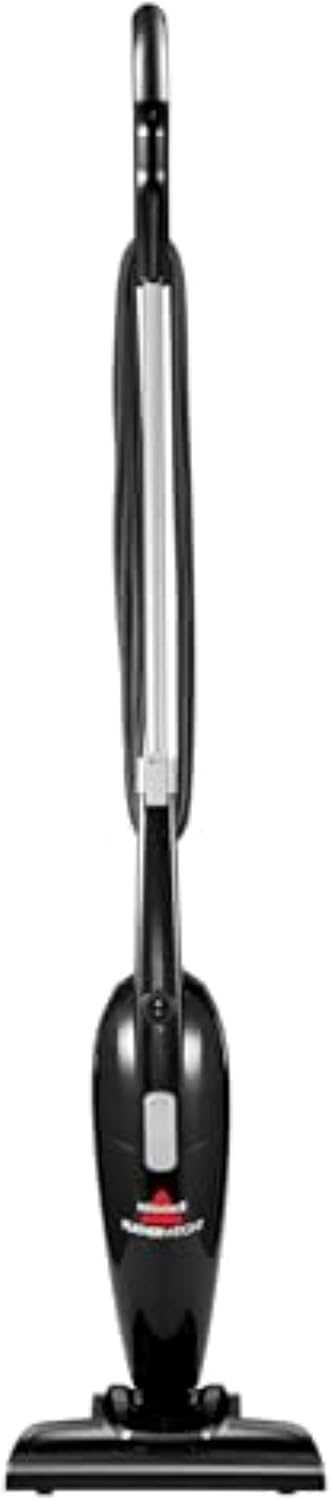
This lightweight bagless stick vacuum is designed for routine dry pickup. The listing positions it for hard floors and carpets. An included crevice tool extends cleaning into edges and tight spaces.
Check On AmazonIf you click this link and buy, we earn a commission at no additional cost to you.
FAQs
🧹 What cleaning appliance should I buy first?
Start with the mess you handle most often and the surface it sits on. If the main job is loose dry debris, a suitable manual vacuum is usually a more logical first purchase than a specialized wet or steam machine.
💧 Is a vacuum mop the same as a steam mop?
No. A vacuum mop is built around pickup, washing, and dirty-water recovery, while a steam mop uses heated vapor and a pad or cleaning head without the same recovery path.
🤖 Can a robot vacuum replace my regular vacuum?
It depends on the floors, debris, layout, and depth of cleaning you expect. Robots are useful for repeated maintenance, but dedicated upright or canister vacuums can still be better for deeper carpet cleaning.
♨️ Can I use a steam cleaner on any sealed floor?
No. Check both the exact steam-machine instructions and the floor manufacturer’s care guidance, because some flooring products prohibit steam even when a machine is marketed for several hard-floor types.
🪟 What is the difference between a window vacuum and a window-cleaning robot?
A window vacuum is a handheld liquid-recovery tool used after wetting and cleaning the glass. A window-cleaning robot adheres to the pane and moves itself, so pane fit, supervision, power continuity, and the specified safety system become part of the decision.
References and sources
- Best Buy home cleaning appliances: Supports category grouping.
- Which? cleaning appliance overview: Supports mechanism boundaries.
- Consumer Reports robot vacuum-mop testing: Supports robot trade-offs.
- Shaw Floors laminate care: Supports steam limits.
- Kärcher window vacuum guidance: Supports liquid recovery.
- ECOVACS window robot guidance: Supports pane safety.
- Shop-Vac wet/dry vacuum documentation: Supports wet/dry pickup.