A garment steamer earns its space when it regularly replaces an awkward wrinkle-care routine, not simply because steam looks faster than an iron. The strongest case is frequent touchups on hanging garments where a relaxed, presentable finish is enough, while crisp collars, cuffs, pleats, and trouser creases still favor pressing. Tank filling, hanging space, residual moisture, draining, scale control, and storage all belong in the convenience calculation. By the end, you should be able to make a practical buy, wait, or skip decision from your wardrobe and routine rather than from feature lists.
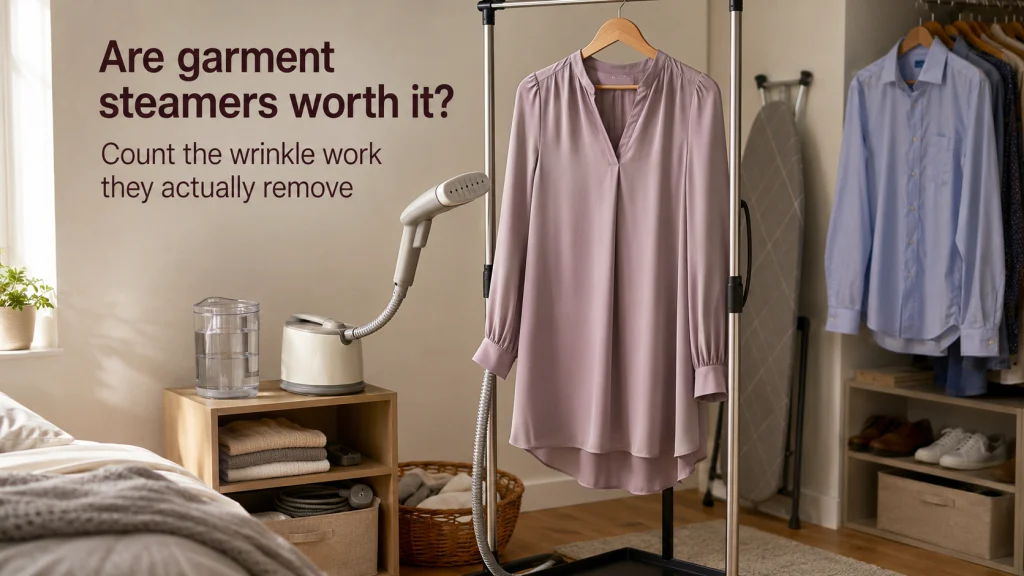
Count the whole routine around one wrinkled garment
Are garment steamers worth it? The answer depends less on whether steam can relax a wrinkle and more on whether the whole routine removes enough repeated work from your household. A steamer still needs water, a safe place to hang the garment, room to move the head, and somewhere to cool or dry afterward. If those steps are easier than unfolding a board, positioning the garment, pressing each area, and putting everything away, the convenience is real rather than advertised.
The calculation changes when wrinkle care is rare or when the existing routine is already easy. Someone who touches up a blouse, dress, knit top, or jacket several times during a normal week may remove a recurring nuisance, while a household that presses only for occasional formal wear may simply add another device to store. Independent testing also shows that steamer performance and handling vary materially, so the product type alone does not guarantee the result. The useful question is therefore not whether steam works, but how much of your own wrinkle-care routine it can reliably take over. That makes a steamer one of the garment care products that should earn its storage space by removing work you actually repeat.

The 1875-watt handheld steamer has five steam settings and a built-in creaser for garment touchups. Its 7.3-ounce tank supports up to 20 minutes of continuous steam after about a 40-second heat-up. The included 3-in-1 attachment combines a silicone band, delicate-fabric spacer, and bristle brush for different garment-care tasks.
Check On AmazonIf you click this link and buy, we earn a commission at no additional cost to you.
Define worth as repeated garment-care work removed
A useful steamer should eliminate work you actually dislike or avoid, not create a second route to the same finish. Start by listing the steps in your current wrinkle routine, including getting the tool out, preparing the garment, doing the wrinkle removal, handling moisture, and putting the equipment away. Then mark which of those steps would disappear with steaming and which would merely change form. This keeps a fast-looking appliance from getting credit for work that still has to happen before or after the steaming pass.
| Routine step | What steaming may remove | What steaming may add | Ownership effect |
|---|---|---|---|
| Setup | Board setup and garment repositioning | Filling the tank and finding a stable hanging point | Positive when hanging setup is easier in your space |
| Wrinkle removal | Repeated flat pressing on soft hanging garments | Slower work on stubborn areas that need pressure | Depends on fabric and desired finish |
| After use | Folding and storing an ironing board | Cooling, draining, drying, and cord or hose storage | Depends on storage location and model design |
| Maintenance | Nothing automatically | Scale management and tank care according to the manual | Small burden if done easily, larger if routinely postponed |
The ledger matters because convenience can disappear in small repeated frictions. A compact unit that lives near the closet and is easy to fill may remove more work than a more capable machine stored in another room. A larger setup may be better for repeated batches but excessive for one garment before leaving the house. Judge the appliance by net work removed over repeated use, not by the shortest step in the routine.
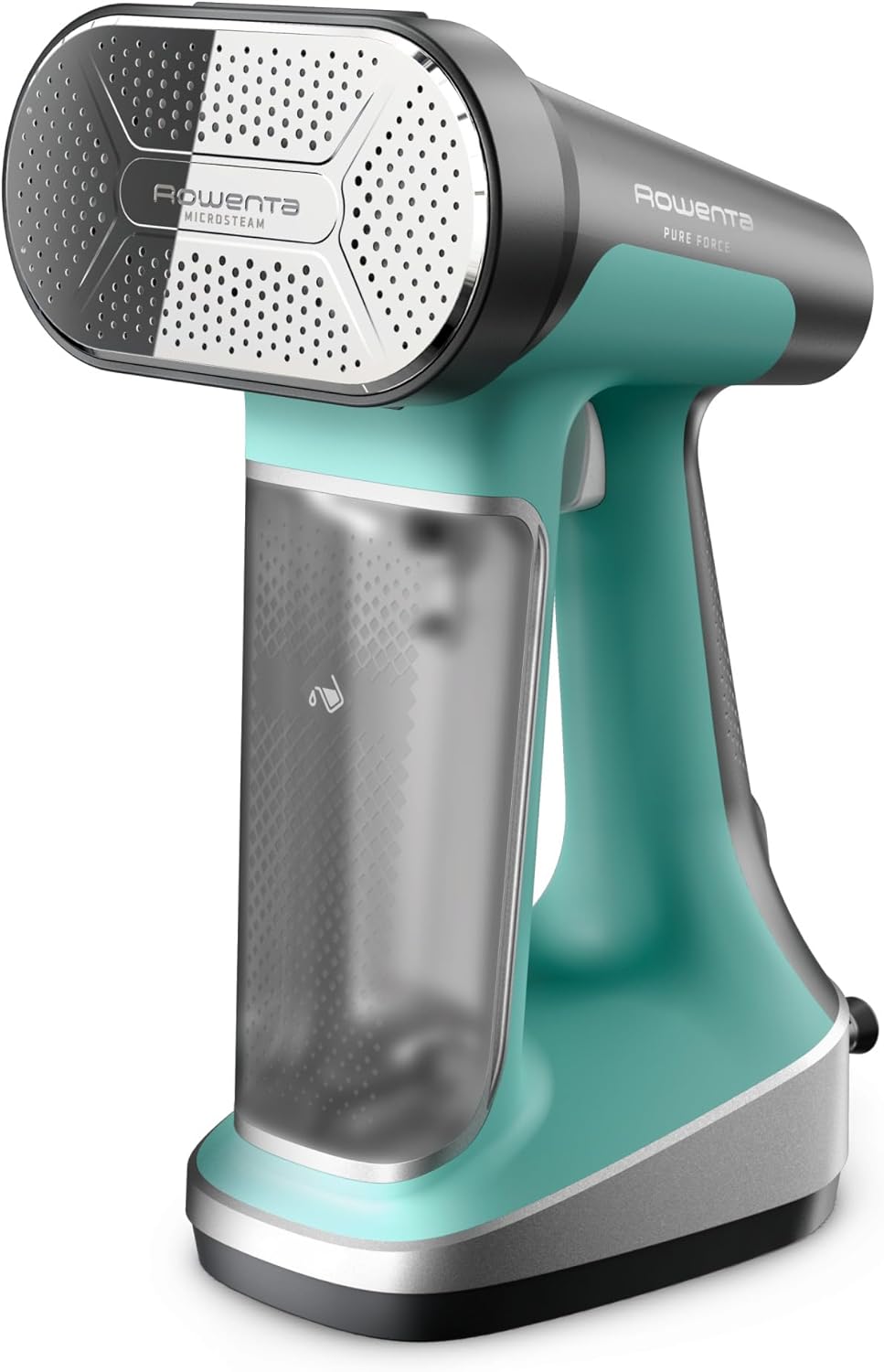
The 1875-watt Pure Force combines vertical steaming with horizontal ironing in one handheld tool. Its 7.1-ounce tank and five steam settings support different fabrics and short garment-care sessions, while auto-off adds an ownership-friendly safety feature. The 2-in-1 format makes it a strong fit when one appliance can replace part of both the steaming and pressing routine.
Check On AmazonIf you click this link and buy, we earn a commission at no additional cost to you.
Count how often wrinkle touchups actually happen
Frequency is the first ownership threshold because even a modest setup burden becomes worthwhile when it replaces the same irritation again and again. Look at the clothing you reach for, not the clothing you theoretically might steam, and notice how often it comes off a hanger with wrinkles that bother you enough to fix. Frequent one-garment touchups create a strong case for a simple steaming routine because the board-free setup can be used repeatedly. Occasional wrinkle care creates a weaker case, especially when hanging a garment after drying or using the existing iron already solves the problem.
A first-time buyer often overestimates future use by counting every garment that could be steamed instead of every garment that currently triggers action. The better measure is how often you already stop and deal with wrinkles before wearing something. If the answer is regularly, the appliance has a recurring job waiting for it; if the answer is rarely, ownership may be solving an imagined routine. This is also why a low purchase price cannot make a steamer worthwhile by itself, because unused equipment still consumes storage and maintenance attention.
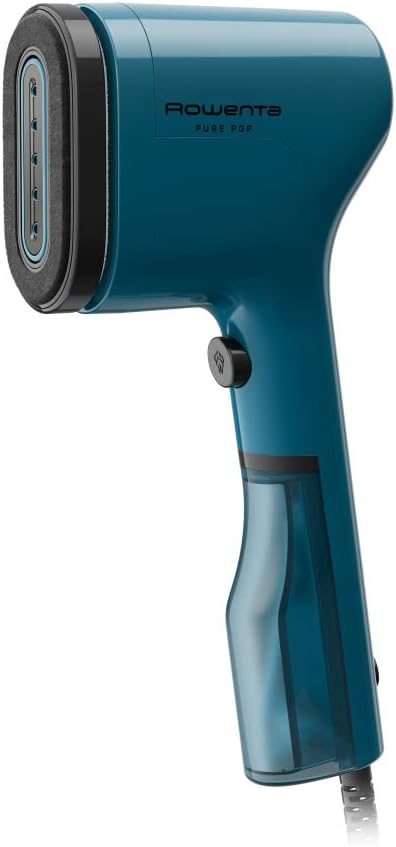
The PurePop is a compact 1150-watt handheld steamer with a 2.3-ounce water capacity. It heats in about 15 seconds, making it suited to frequent last-minute garment touchups. The reversible pad provides a lint-removal side and a velvet side for garment steaming.
Check On AmazonIf you click this link and buy, we earn a commission at no additional cost to you.
Separate relaxed wrinkle release from a crisp pressed finish
Steam and pressing can both improve wrinkled clothing, but they do not create the same finish. Garment steamers work especially well when the goal is to relax wrinkles while the item hangs, while an iron adds direct pressure that can flatten fabric and define edges. Current independent testing continues to treat a traditional iron as the stronger choice for crisp collars, sharp creases, pleats, and other structured details. If those details are the reason you bother removing wrinkles, a steamer is unlikely to become the only tool you need.
This distinction prevents a common disappointment: buying a steamer because it seems like an easier iron, then expecting iron-like results from a different mechanism. A soft shirt, dress, knit, or drapey layer may look completely ready once the wrinkles relax, while a dress shirt can still look unfinished if the collar, cuffs, and placket lack definition. Neither finish is universally better; the household has to decide what “done” means for the clothes it actually wears. For a deeper mechanism-level choice, the garment steamer versus iron comparison is the better next step.
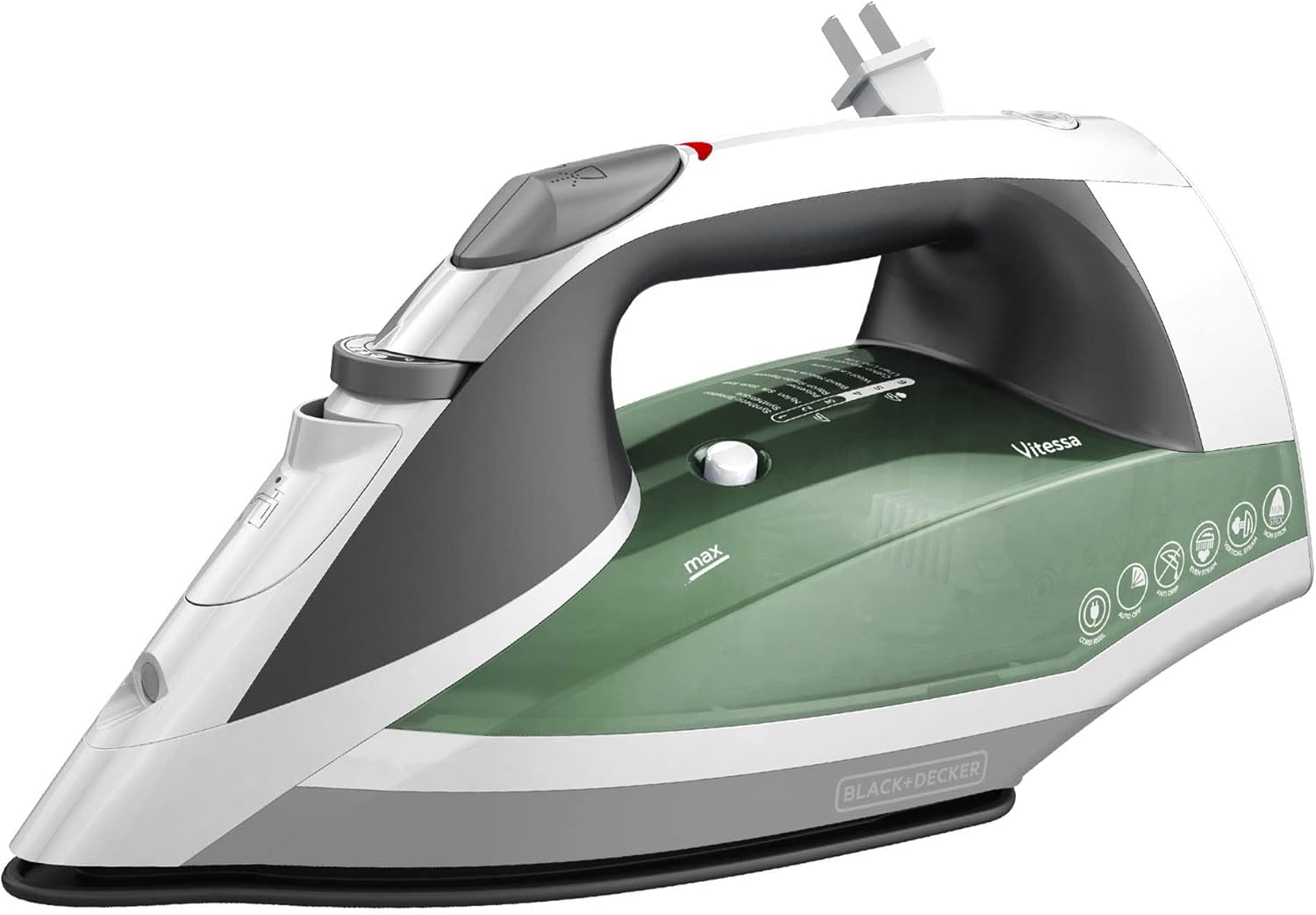
The Vitessa ICR2020 is a 1200-watt steam iron with an Even Steam nonstick soleplate. Smart Steam controls coordinate steam output with the selected temperature, while automatic shutoff adds a safety feature. Its retractable cord helps reduce cord clutter when the iron is stored.
Check On AmazonIf you click this link and buy, we earn a commission at no additional cost to you.
Map the wardrobe to jobs a steamer can and cannot own
Wardrobe mix matters more than a generic list of fabrics that can be exposed to steam. Start with garment construction and the finish you want, then check each care label and the exact steamer manual before using heat and moisture on anything uncertain. Soft, hanging garments often give a steamer a clear job because they can be smoothed without flattening every seam or panel. Structured clothing can still benefit from wrinkle release, but the final shaping of collars, cuffs, lapels, pleats, or deliberate creases may remain a pressing task.
| Wardrobe job | Likely steaming fit | What still needs checking |
|---|---|---|
| Soft blouses, dresses, and drapey tops | Strong when a relaxed finish is acceptable | Care label, trims, lining, and moisture sensitivity |
| Knits and textured garments | Often useful for light wrinkle release | Fabric permission, stretching, surface details, and handling |
| Jackets and shaped garments | Useful for hanging touchups | Construction, interfacing, trim, and whether pressing is required |
| Dress shirts, pleats, and trousers with creases | Partial | Whether the desired finish requires direct pressure |
| Heavy or stubbornly wrinkled fabrics | Variable | Exact model capability and whether an iron gives a better result |
Do not convert this matrix into a universal fabric-permission chart. Manufacturer instructions can differ, garment care labels still control the garment side of the decision, and embellishments or construction may change what is sensible even when the fiber itself appears steam-friendly. The matrix is for assigning household jobs, not for overruling exact care instructions. A steamer earns more value as the number of repeated, clearly compatible hanging-garment jobs increases.

This 1200-watt handheld steamer uses two heat settings and a removable water reservoir for routine garment touchups. Its continuous-steam trigger keeps operation simple while the handheld format works across the lighter and heavier garment jobs described in this section. It is a practical example of why steamer fit should be judged by fabric, finish, and garment construction rather than by one generic steam setting.
Check On AmazonIf you click this link and buy, we earn a commission at no additional cost to you.
Add one-item versus batch size to the convenience calculation
The same household can reach different conclusions depending on whether steaming usually means one garment or a small batch. Independent testing highlights water capacity, refill effort, handling, and run time because these factors change the experience as a session gets longer. A small tank can be perfectly adequate when the normal job is one wrinkled top, yet irritating when several uniforms or work outfits need attention together. A larger tank reduces refill interruptions, but it can also increase the size, weight, and storage burden of the appliance.
| Typical session | What matters most | Ownership implication |
|---|---|---|
| One quick garment | Fast setup, comfortable handling, easy fill, easy storage | Small-scale convenience can matter more than maximum capacity |
| A few garments | Enough water to avoid annoying interruptions, manageable weight | Balance tank size against how long the unit stays in hand |
| Repeated household batch | Longer continuous use, stable hanging setup, fewer refills | A larger architecture may justify its footprint |
This is where “more capacity” can become either helpful or wasteful. If a household almost always treats one item, carrying and storing extra water capacity may solve a problem it does not have. If several garments routinely wait for wrinkle care, repeated refilling can erase the convenience that motivated the purchase. The separate handheld versus standing garment steamer comparison becomes useful only after the normal session size is clear.

This 1100-watt handheld steamer uses a 300 ml tank and heats in about 30 seconds. The larger tank is rated for up to 20 minutes of continuous steam, reducing refill interruptions during multi-garment sessions. Its 120-volt design is intended for compatible power systems.
Check On AmazonIf you click this link and buy, we earn a commission at no additional cost to you.
Check hanging space and where the steamer will live
A steamer can eliminate an ironing board without eliminating the need for a workable setup area. The garment still needs to hang securely where steam can be directed safely, and the user needs enough clearance to move around sleeves, hems, fronts, and backs without fighting a wall or nearby furniture. A convenient closet location may work well for storage but poorly for active steaming if there is no safe hanging point or open working area nearby. That mismatch can turn a theoretically quick appliance into something that must be carried and staged elsewhere every time.
Storage should be judged in its after-use state, not only by the product footprint shown on a sales page. Consider the cord, hose, pole, head, damp tank area, attachments, and whether the appliance can be put away immediately or needs a short cooling and drying routine first. A handheld design may fit in a cabinet but still be annoying if the cabinet is far from the usual dressing area, while an upright design may be easy to reach but claim permanent floor space. Measure the place where the entire setup will actually live, then decide whether that location supports the routine you expect to use.

This 1000-watt handheld steamer folds down for more compact storage and includes a storage bag. It heats in about 30 seconds and uses a 5.08-ounce reservoir. The 120-volt model is intended for 120-volt outlets rather than 220-volt travel use.
Check On AmazonIf you click this link and buy, we earn a commission at no additional cost to you.
Subtract refill, moisture, scale, and storage work from convenience
Steamers use water, so ownership includes more than filling the tank and turning the unit on. Testing organizations note that some steamers can leave fabric damp or spit water, which means a freshly treated garment may need a little breathing room before wear or storage. Water behavior also varies by model, making the exact manual more useful than a blanket rule about tap or distilled water. Philips support, for example, explains that water hardness affects scale buildup and that the correct water choice depends on the product instructions.
Maintenance belongs in the worth-it decision because neglected scale or residue can turn a low-friction routine into an unreliable one. Follow the exact manual for filling, emptying, descaling, cleaning, and approved water rather than copying a homemade cleaning method from another brand or model. Also stop using the appliance and follow manufacturer or qualified-service guidance for a damaged cord, leaking into electrical areas, persistent abnormal operation, burning odor, or other electrical or heat-related fault. These are ordinary ownership boundaries, and a household that strongly dislikes water-device maintenance should count that preference before buying.
- Check which water the exact manual permits.
- Confirm whether the tank is easy to fill, remove, empty, and dry.
- Plan where a slightly damp garment can hang briefly after steaming.
- Check the manual’s scale-control and cleaning procedure before buildup becomes a problem.
- Make sure the cord, hose, head, tank, and attachments all have a realistic storage place.
This checklist is not meant to make steaming sound difficult. It simply reveals whether the convenience survives contact with the normal chores that come with a water-heating appliance. For some households these steps are trivial; for others they are exactly why the steamer ends up unused. The ownership threshold should include both performance and willingness to maintain the routine.

The 1200-watt 2-in-1 unit supports both vertical steaming and horizontal ironing. Its 200 ml removable tank is designed for easier refilling and cleaning, and anti-drip technology helps control water during use. Automatic shutoff and an 8-foot cord round out the ownership-focused features.
Check On AmazonIf you click this link and buy, we earn a commission at no additional cost to you.
Compare the steamer with the routine you already have
The steamer does not need to beat every possible iron setup; it needs to beat the wrinkle routine you would otherwise use. If an iron and board are already stored within easy reach and you usually press several structured garments together, steaming may add choice without removing much work. If the board is awkward to set up and the recurring job is one hanging garment that only needs a relaxed finish, the steamer has a clearer advantage. A no-tool routine also counts, especially when prompt hanging after drying already keeps most everyday clothing presentable enough.
This comparison should stay at the ownership threshold rather than becoming a full mechanism contest. The question here is whether another appliance improves the household routine enough to justify space and care, not which device can win every fabric test. If your decision is still fundamentally about choosing between pressing and steaming, use the dedicated comparison rather than forcing this page to answer both questions at once. If you already know you want steaming and need to define capacity, handling, storage, and features, continue to the garment steamer buying guide.

This compact 1200-watt steam iron uses a TrueGlide nonstick soleplate and automatic shutoff for straightforward everyday pressing. Direct contact and pressure make it a useful counterpoint to a garment steamer when collars, cuffs, seams, or sharper finishes matter. For a household that already finds a compact iron easy to store and use, it represents the existing routine a steamer would need to beat.
Check On AmazonIf you click this link and buy, we earn a commission at no additional cost to you.
Set the ownership threshold: buy, wait, or skip
Once frequency, finish, wardrobe mix, session size, setup space, and maintenance are visible, the decision becomes much less fuzzy. The phrase “is a garment steamer worth it” has no useful universal answer because the same appliance can remove recurring work in one home and duplicate an existing routine in another. Make the decision from the strongest repeated job, then check whether the surrounding setup remains acceptable. The three outcomes below are intentionally conditional so that a low price or long feature list cannot substitute for household fit.
Use this buy-wait-skip decision tree from the top:
- Do wrinkle touchups happen often enough that you already spend time dealing with them?
- No: Skip for now. Occasional wrinkle care usually does not justify adding another appliance unless the current routine is unusually burdensome.
- Yes: Continue to the finish check.
- Would you be satisfied with relaxed wrinkle release on most of those garments?
- No: Skip as a primary wrinkle-care tool if crisp collars, cuffs, pleats, or trouser creases dominate the job.
- Yes: Continue to the wardrobe and session check.
- Are the garments compatible with steaming, and do you know whether the normal job is one item or a batch?
- No: Wait. Check care labels, garment construction, and typical session size before choosing a steamer type.
- Yes: Continue to the setup and ownership check.
- Do you have workable hanging space, realistic storage, acceptable refill effort, and a maintenance routine you will actually follow?
- No: Wait if the constraint might be solved by choosing a different steamer format; otherwise skip.
- Yes: Buy consideration is justified, then narrow the steamer type and current shortlist from these requirements.
The tree is deliberately conservative. A single “yes” does not earn the appliance a place, because the benefit has to survive the finish, fabric, session, space, and maintenance checks too. If you reach the buy branch, you have identified a repeated job and a workable ownership routine rather than merely finding steaming appealing. If you stop at wait or skip, you have also identified the exact reason, which is more useful than a generic verdict.
Buy when frequent hanging-garment touchups are the repeated bottleneck
Buying makes sense when wrinkles regularly interrupt getting dressed and most of those garments only need a smoother, relaxed finish. The normal session should fit the tank and handling style you are considering without constant refill frustration or excessive weight. You should also have a practical hanging location and a storage spot that keeps the device accessible enough to use. In that situation, the steamer is not another optional gadget; it is taking ownership of a repeated household task.
Wait when fabric permission, session size, or storage is still unclear
Waiting is the sensible choice when the need seems real but the requirements are still unresolved. Check the care labels on the garments you expect to steam, estimate whether the job is usually one item or a batch, and measure the actual storage and working area. Those checks tell you whether a compact handheld, a larger standing design, or no purchase at all fits the routine. Waiting here prevents buying a machine before you know which ownership friction matters most.
Skip when crisp pressing dominates or wrinkle care is too occasional
Skipping is reasonable when the clothing you care most about needs a sharp pressed finish or when wrinkles rarely trigger enough effort to justify another appliance. It also makes sense when the existing iron routine is already easy, storage is tight, or water-device maintenance is a recurring annoyance you know you will avoid. A cheaper or more compact steamer does not fix a mismatch between the tool and the actual job. Keeping the current routine is a valid equipment decision when it already solves the problem with less total ownership work.
Use the outcome as a gate rather than as a shopping recommendation. “Buy” means the product type has earned consideration, not that any steamer will fit, and “wait” means more household information is needed before comparing models. “Skip” does not mean steaming is ineffective; it means the appliance has not earned space in this particular routine. That distinction keeps the decision focused on work removed instead of on the attractiveness of a new appliance.

This 700-watt handheld steamer uses a 240 ml water tank and is designed for 120-volt power. It is built for handheld wrinkle removal on garments at home or in the office. A fabric brush is included for garment-care use.
Check On AmazonIf you click this link and buy, we earn a commission at no additional cost to you.
If steaming earns a place, narrow the steamer type and shortlist next
After a buy decision, move from “should we own one?” to “what kind fits the job?” without reopening the same question. Session size, carrying tolerance, refill tolerance, storage, hanging setup, and desired finish should now become requirements rather than vague preferences. Those requirements make it easier to reject designs that are too bulky, too small for the normal batch, or awkward to store even if their feature lists look impressive. This is the point where architecture and current model differences finally matter.
Start with the broader requirements in the garment steamer buying guide, then compare handheld and standing formats if the normal workload could support either. Only after those decisions are stable is a current garment steamer shortlist useful, because model rankings make more sense when the household already knows what it needs to fit. The order matters: ownership decision first, product type second, current models last. That sequence reduces the chance of buying a well-reviewed steamer that solves the wrong wrinkle-care routine.

The K1 travel steamer combines a 1000-watt steamer and iron in one compact handheld unit. It has a 5-ounce tank, a 15-second heat-up, and a pouch for transport. Dual-voltage operation and flat or hanging use make it a distinct format once steamer type and travel requirements are clear.
Check On AmazonIf you click this link and buy, we earn a commission at no additional cost to you.
Final Thoughts: a steamer is worth it when it removes repeated work
A garment steamer earns its place when it repeatedly makes hanging-garment wrinkle care easier without leaving the household dependent on pressing for the finish it actually wants. Frequent touchups, a relaxed finish, workable hanging space, manageable sessions, and acceptable tank care all push the decision toward buying. Rare use, crisp pressing, unresolved fabric questions, difficult storage, or a current routine that already works push it toward waiting or skipping. The important thing is to count the complete routine rather than giving all the credit to the steaming pass.
Before spending money, look at the next several garments you would realistically treat and assign each one a job: steam, press, or leave alone. Then check how many of those steaming jobs recur often enough to justify filling, storing, and maintaining another appliance. If the answer is clear and repeated, the steamer has earned a legitimate household role. If the answer is mostly hypothetical, keeping the simpler routine is likely the better decision.

This 1200-watt handheld steamer has a detachable 8.79-ounce water tank and a 30-second heat-up. Its leak-proof design supports steaming in both vertical and horizontal positions. A fabric brush and soft cushion brush are included for different garment-care tasks.
Check On AmazonIf you click this link and buy, we earn a commission at no additional cost to you.
FAQs
👕 Are clothes steamers worth it if I only de-wrinkle one outfit at a time?
They can be, especially when one-garment touchups happen frequently and board setup is the part you avoid. A small session also reduces the need for a large tank, but storage, filling, and the finish you expect still matter.
👔 Can a garment steamer replace my iron completely?
Not reliably for every wardrobe. If crisp collars, cuffs, pleats, trouser creases, or stubborn structured fabrics matter, an iron may still be needed for those jobs.
💧 Do garment steamers leave clothes damp?
Some can, and spitting or wetter steam varies by model and use conditions. Plan for a garment to hang briefly after steaming if needed, and follow the exact manual if the unit spits or leaks.
🧵 Is steaming automatically safe for delicate fabrics?
No. Check the garment care label and the steamer manual, especially for delicate fibers, trims, coatings, embellishments, or construction that may react poorly to heat or moisture.
📦 Does a bigger water tank make a steamer more worthwhile?
Only when the normal session is long enough to benefit from fewer refills. A larger tank can also add weight, size, and storage burden, so usable session fit matters more than maximum capacity.
References and Sources
- Good Housekeeping steamer testing: Supports the discussion of variation in wrinkle removal, handling, tank size, refill burden, and the limits of steaming for a crisp pressed finish.
- CHOICE garment steamer buying advice: Supports the discussion of dampness, fabric-dependent results, storage, and why steaming does not fully replace pressing for every garment.
- Philips steamer water guidance: Supports the maintenance point that water hardness, scale buildup, and permitted water types should be checked against manufacturer instructions.