Best stand mixers: strong choices for dough, batter and daily batches
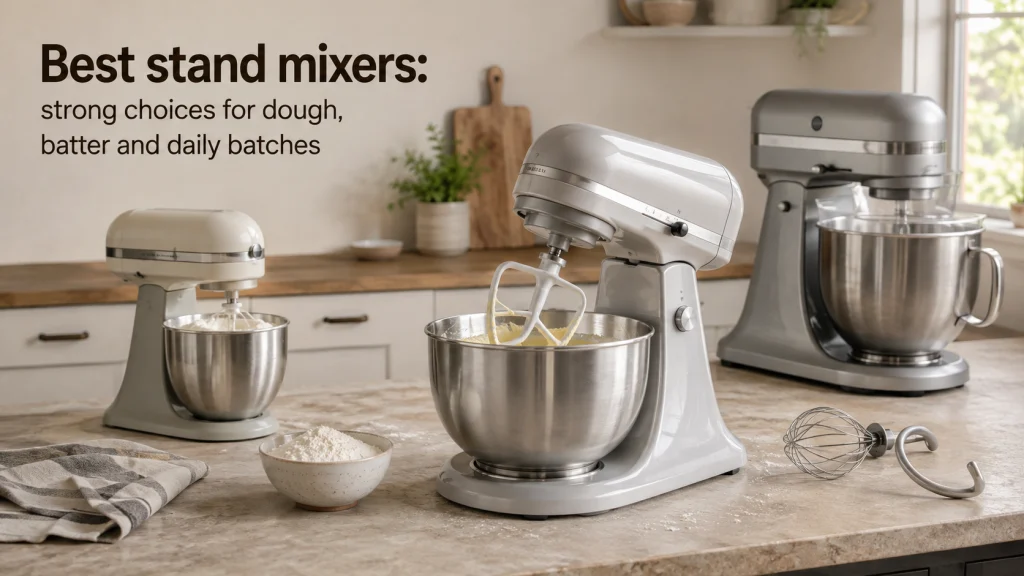
Best Stand Mixers

The strongest stand mixer on a test bench is not automatically the strongest choice for your kitchen. A good pick has to match the batches you actually make, the space where the machine will live, the path you use to lift or store it, and the amount of dough work in your routine. Current independent
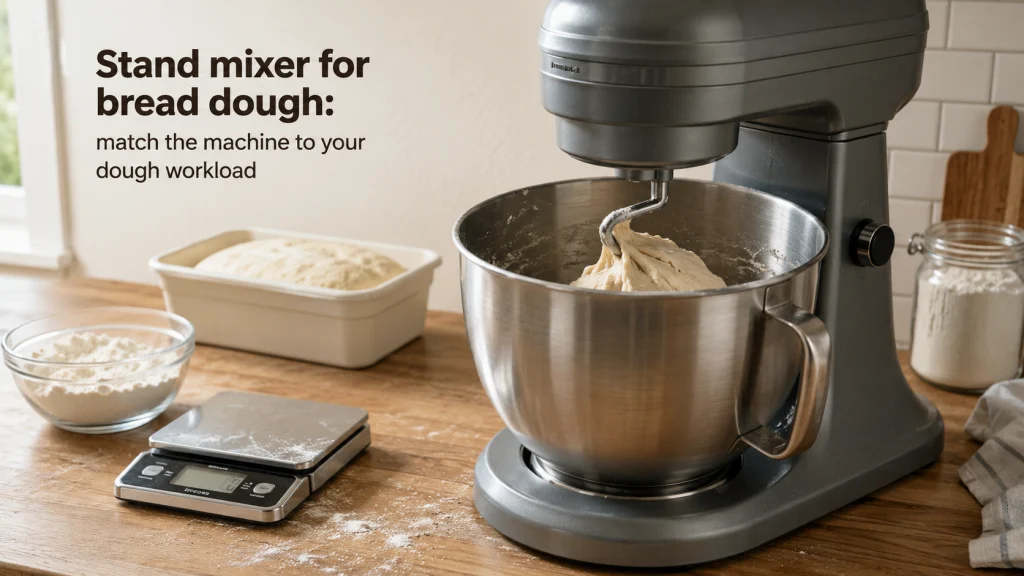
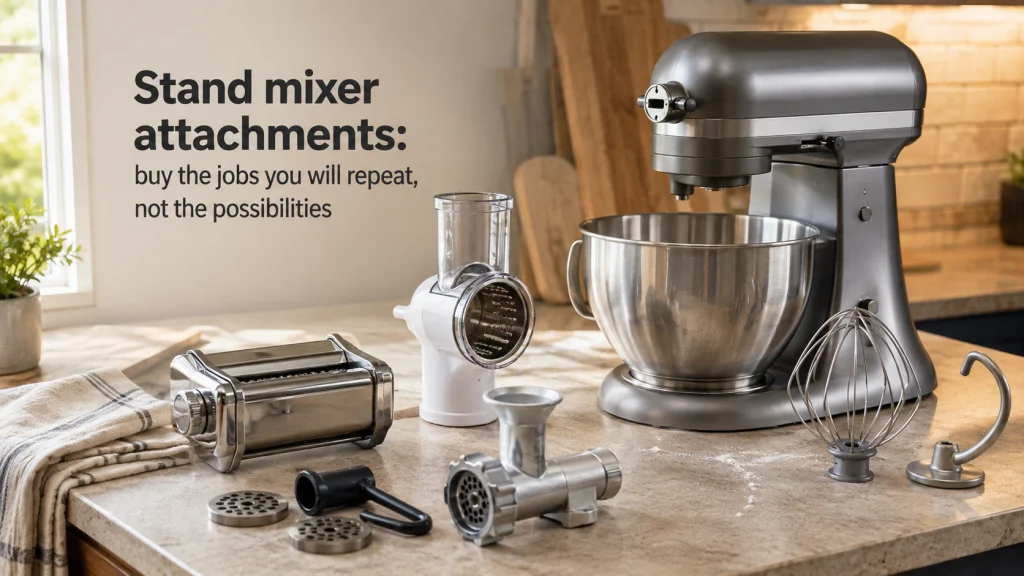
Stand mixer for bread dough: match the machine to your dough workload

Stand Mixer For Bread Dough

A stand mixer for bread dough should be chosen around the dough you actually make, the weight of a normal batch, and how often the machine will face that load. Bowl size and wattage can help describe a mixer, but neither proves that it will knead your usual dough comfortably or stay within the manufacturer’s

Stand mixer attachments: buy the jobs you will repeat, not the possibilities

Stand Mixer Attachments

Stand mixer attachments make the most sense when they replace a job your household repeats, not when they simply add another capability to a mixer you already own. The useful comparison is not attachment count but compatibility, setup, throughput, cleanup, storage, and whether a separate appliance would do the same work better for your routine.

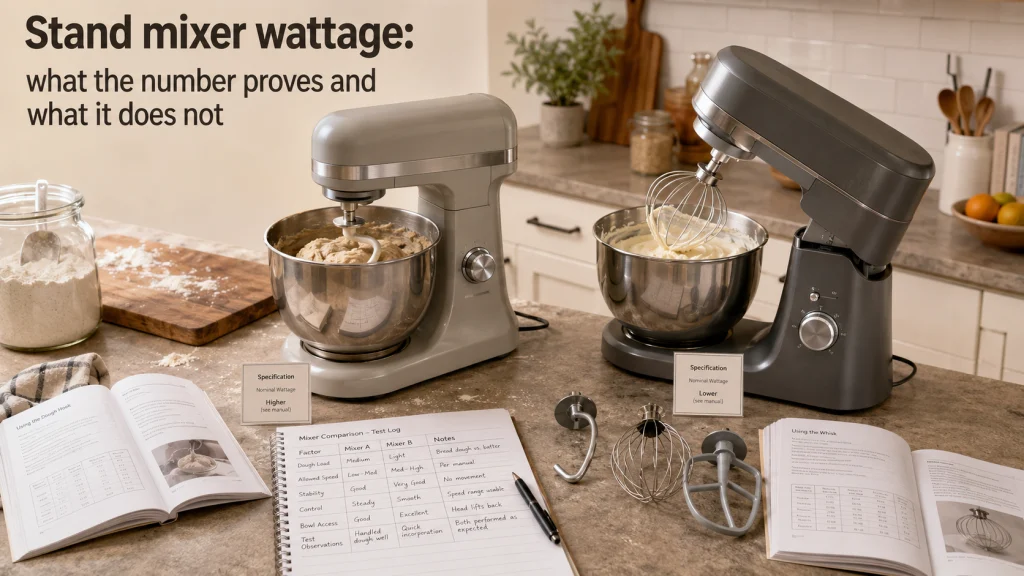
Stand mixer wattage: what the number proves and what it does not

Stand Mixer Wattage

A stand mixer’s watt rating is useful as a published specification, but it is not a strength score. A larger number does not by itself prove more torque at the bowl, better dough handling, greater durability, or a better fit for your kitchen. The safer buying method is to keep wattage beside manufacturer load guidance,

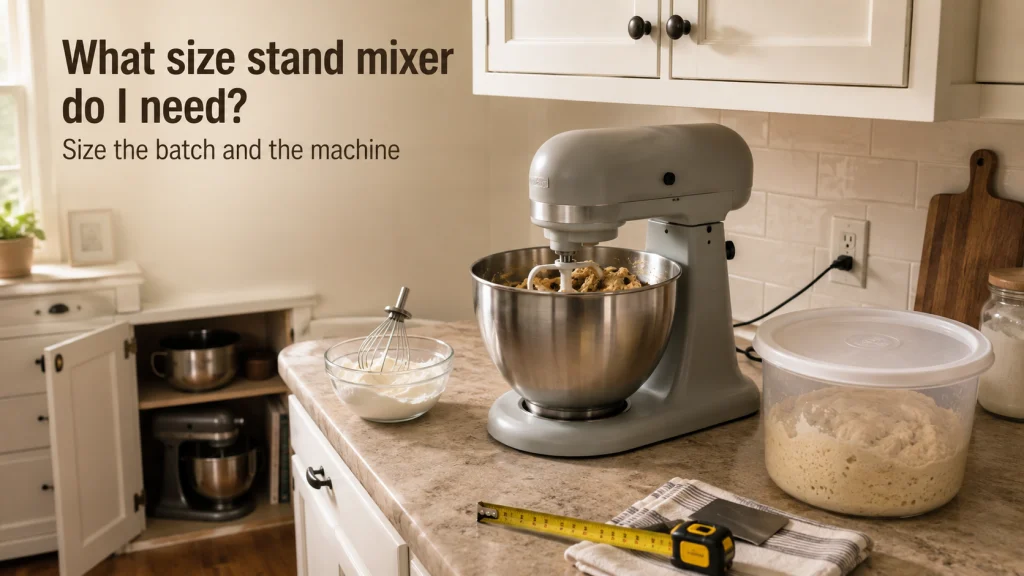
What size stand mixer do I need? Size the batch and the machine

What Size Stand Mixer Do I Need

A stand mixer size decision is not just a bowl-capacity decision. The right range has to cover the smallest batch you expect to mix well, the batch you repeat most often, and the occasional larger batch that is genuinely worth planning around. After that, the machine still has to fit the counter, cabinet clearance, lifting

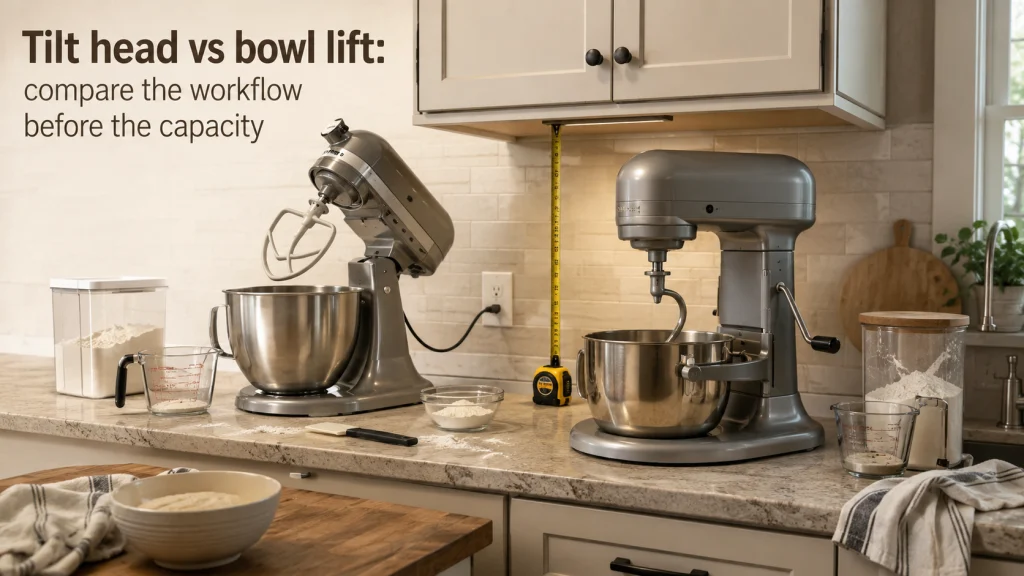
Tilt head vs bowl lift: compare the workflow before the capacity

Tilt Head Vs Bowl Lift

A tilt-head and a bowl-lift stand mixer solve the same mixing job with different physical movements, and that movement can matter more than the silhouette suggests. Tilt-head designs open by raising the mixer head, while bowl-lift designs keep the head fixed and move the bowl, so cabinet clearance, ingredient access, scraping, bowl removal, and storage

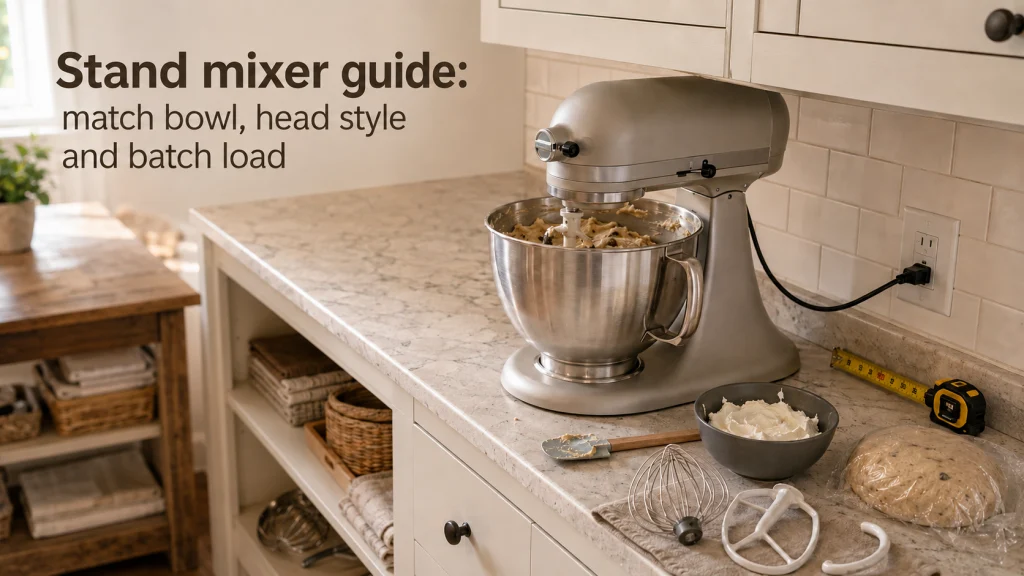
Stand mixer guide: match bowl, head style and batch load

Stand Mixer Guide

A stand mixer should be shortlisted by the batches you actually repeat, the space the machine occupies while stored and in use, and the evidence that shows how it performs beyond the spec sheet. Bowl size, wattage, speed count, weight, and attachment compatibility can all matter, but none of them proves overall fit by itself.

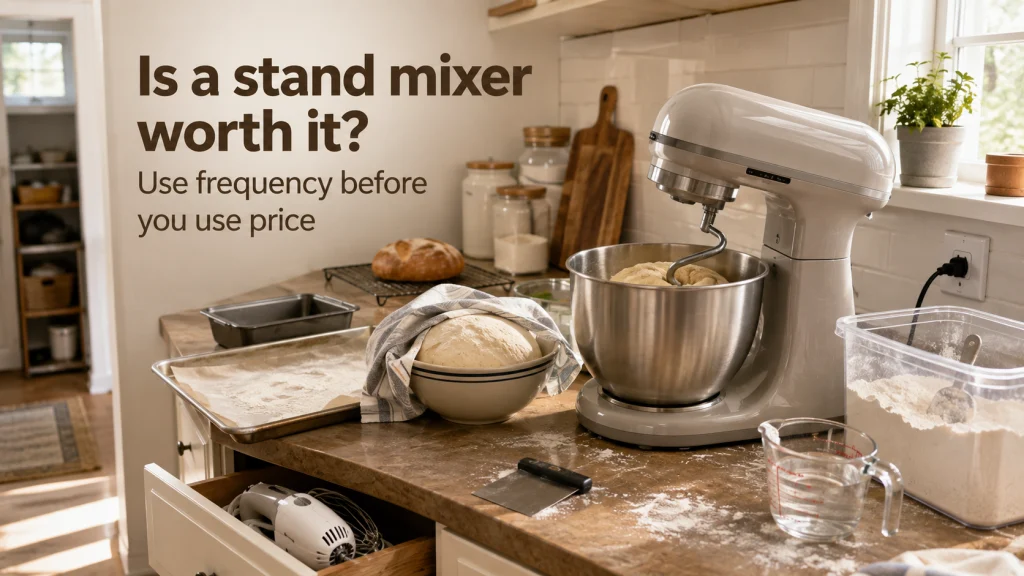
Is a stand mixer worth it? Use frequency before you use price

Is A Stand Mixer Worth It

A stand mixer earns its place when it repeatedly removes work that your current tools make slow, tiring, or awkward. Baking frequency matters, but the harder test is whether the machine will be easy to access, useful for the batches you actually make, and acceptable to clean and store. Bread dough, long mixing jobs, and

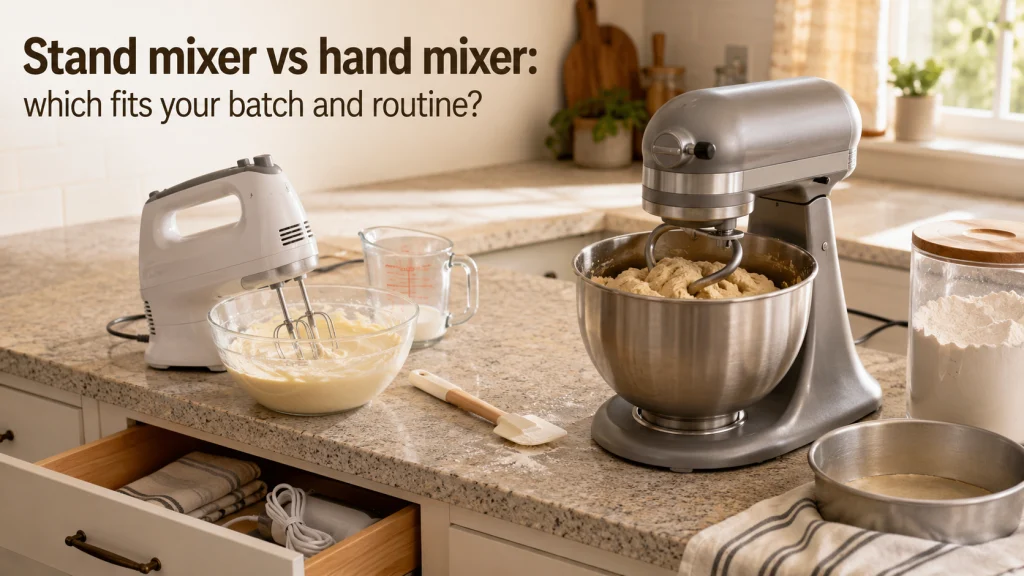
Stand mixer vs hand mixer: which fits your batch and routine?

Stand Mixer Vs Hand Mixer

A hand mixer and a stand mixer can overlap on basic electric mixing, but they solve the work differently. A hand mixer favors quick setup, flexible bowl choice, easy storage, and smaller routine jobs, while a stand mixer becomes more useful as mixing gets longer, denser, or more hands-off. The choice should come from the

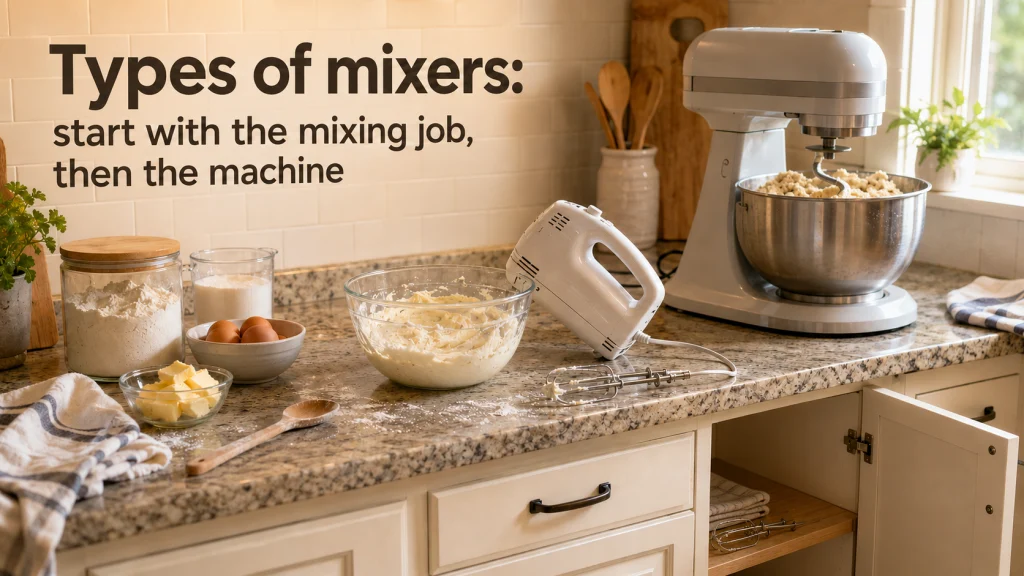
Types of mixers: start with the mixing job, then the machine

Types Of Mixers

Choosing among the main types of mixers gets easier once you separate four decisions that are often mashed into one feature list: mixer class, ownership fit, within-class criteria, and current product selection. A hand mixer and a stand mixer can overlap on many jobs, but storage, batch demands, handling, cleanup, and the need for hands-free