Do I need a dehumidifier? Confirm the moisture problem before buying one
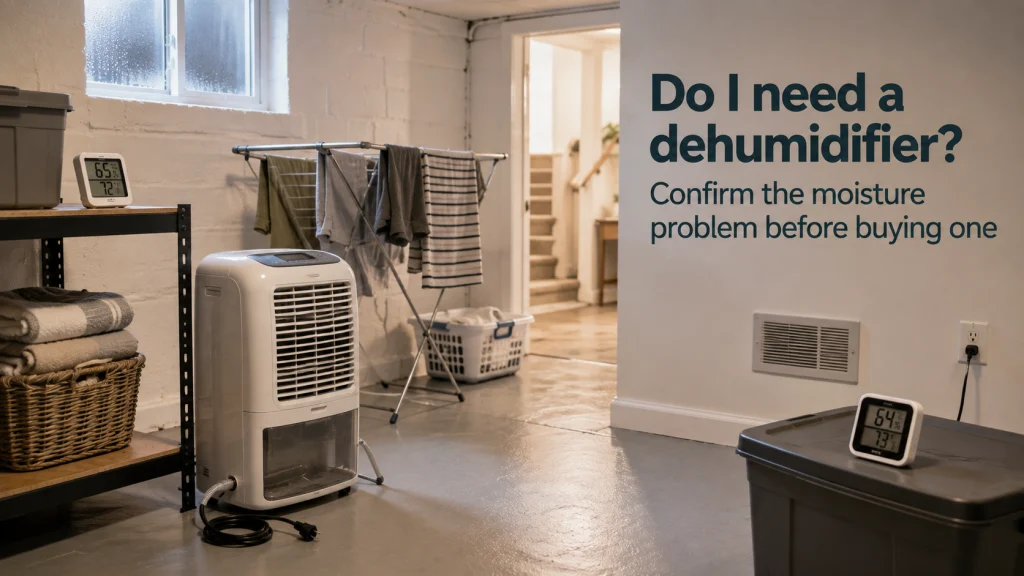
Do I Need A Dehumidifier

A dehumidifier makes sense when excess airborne moisture is a measured, recurring problem that the appliance can actually remove. A damp feeling, one high reading, condensation, or a musty odor is a clue to investigate, not automatic proof that another machine belongs in the room. Check the humidity pattern, rule out active water sources, and
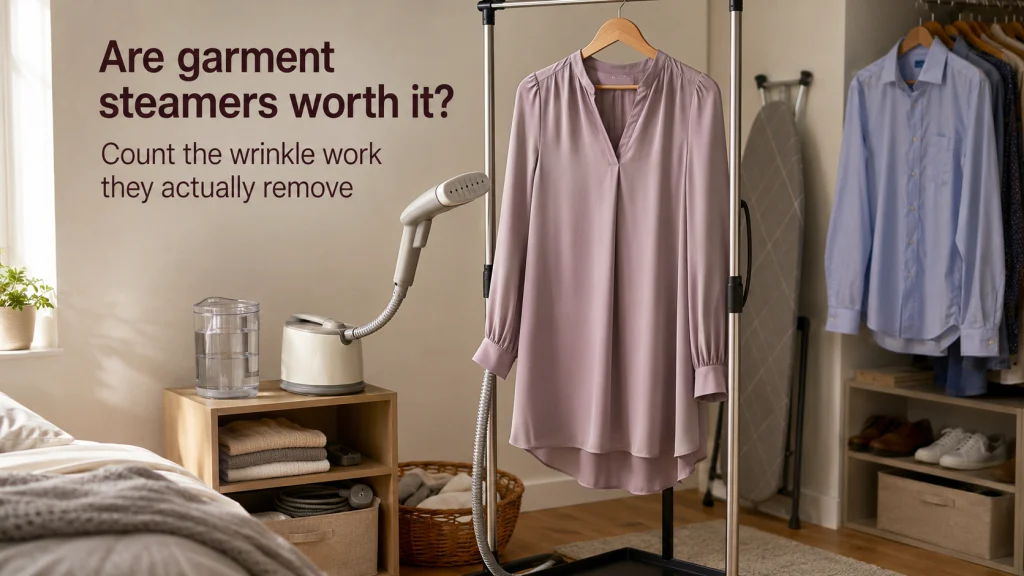
Are garment steamers worth it? Count the wrinkle work they actually remove

Are Garment Steamers Worth It

A garment steamer earns its space when it regularly replaces an awkward wrinkle-care routine, not simply because steam looks faster than an iron. The strongest case is frequent touchups on hanging garments where a relaxed, presentable finish is enough, while crisp collars, cuffs, pleats, and trouser creases still favor pressing. Tank filling, hanging space, residual

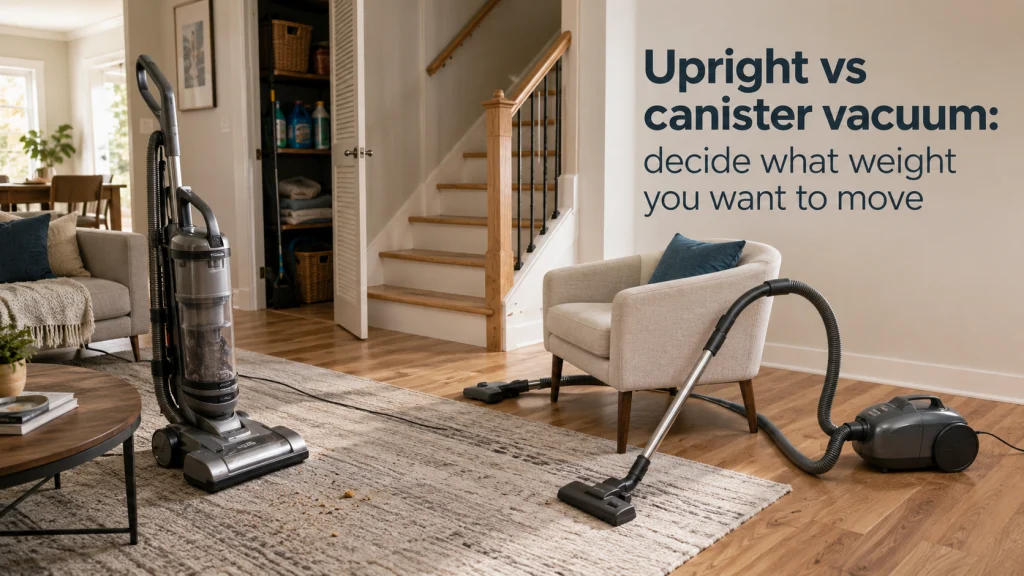
Upright vs canister vacuum: decide what weight you want to move

Upright Vs Canister Vacuum

An upright keeps most of the machine in the unit you push, while a canister leaves the motor and dirt container behind and puts a wand and floorhead in your hand. That weight distribution changes stairs, furniture access, storage, and how tiring a long cleaning route feels. Floor performance still depends on the exact floorhead,

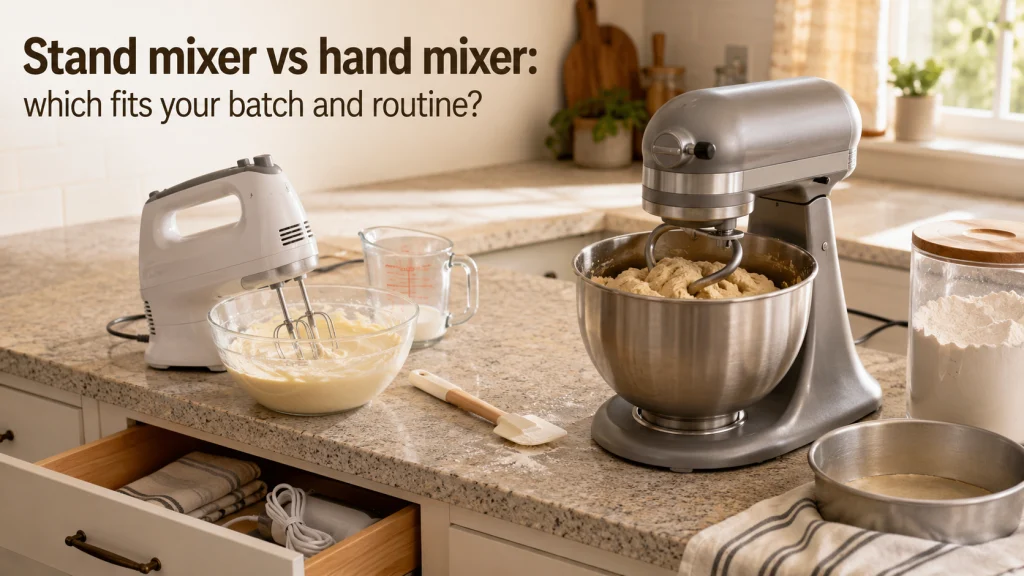
Stand mixer vs hand mixer: which fits your batch and routine?

Stand Mixer Vs Hand Mixer

A hand mixer and a stand mixer can overlap on basic electric mixing, but they solve the work differently. A hand mixer favors quick setup, flexible bowl choice, easy storage, and smaller routine jobs, while a stand mixer becomes more useful as mixing gets longer, denser, or more hands-off. The choice should come from the

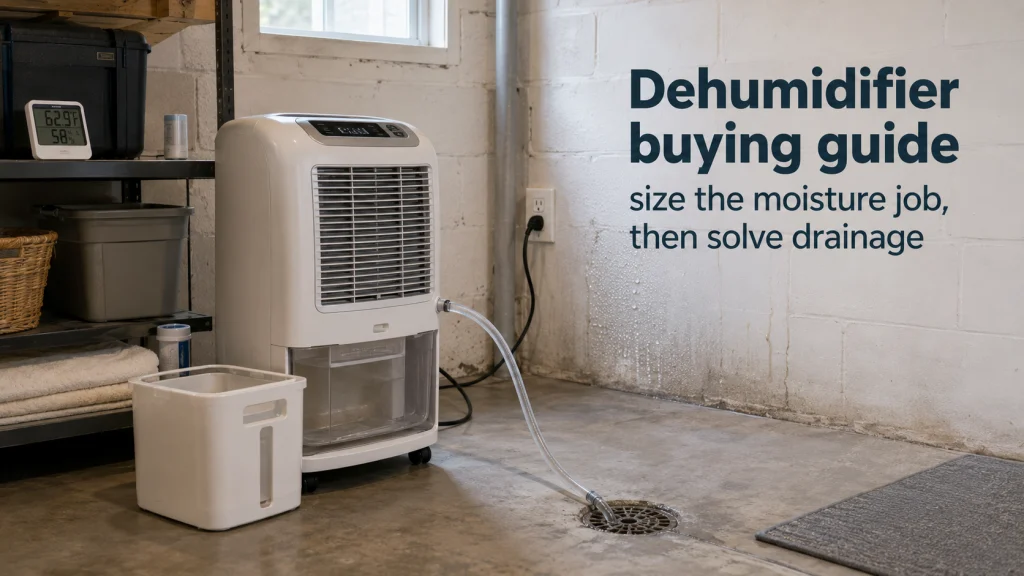
Dehumidifier buying guide: size the moisture job, then solve drainage

Dehumidifier Buying Guide

A dehumidifier should be chosen around the moisture load, the space it must serve, and the way collected water will leave the machine. Capacity matters, but it does not solve poor drainage, cool-room operation, awkward bucket handling, or unacceptable noise. Portable and whole-home systems also solve different installation problems. The useful choice is the one

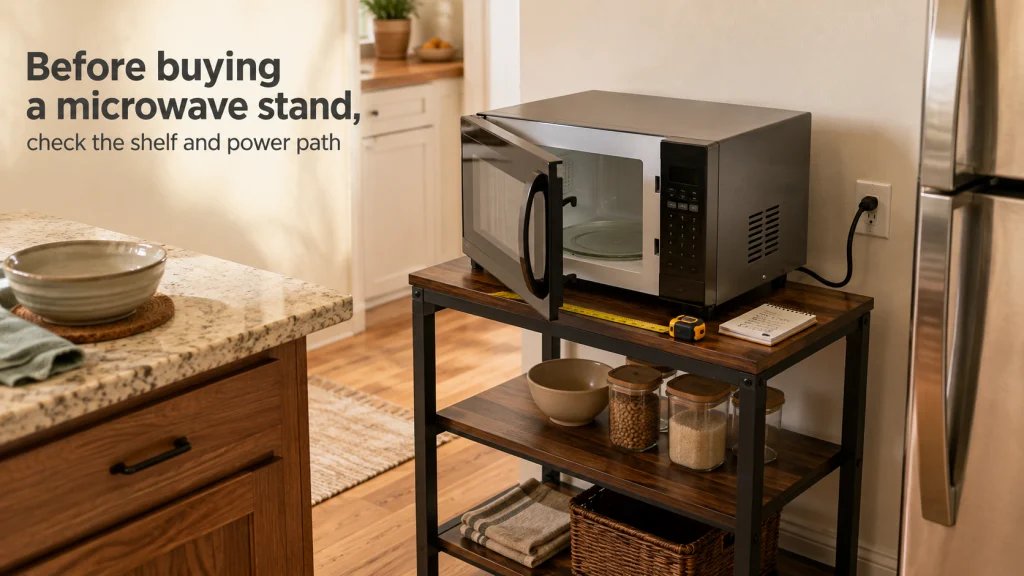
Before buying a microwave stand, check the shelf and power path

Microwave Stand

A microwave stand should be chosen around the exact microwave, not around the furniture label. The support surface has to fit the appliance, carry its weight on the correct shelf, preserve required ventilation, and leave a workable path to a suitable outlet. Fixed stands, rolling carts, and baker’s racks solve different space problems, so the

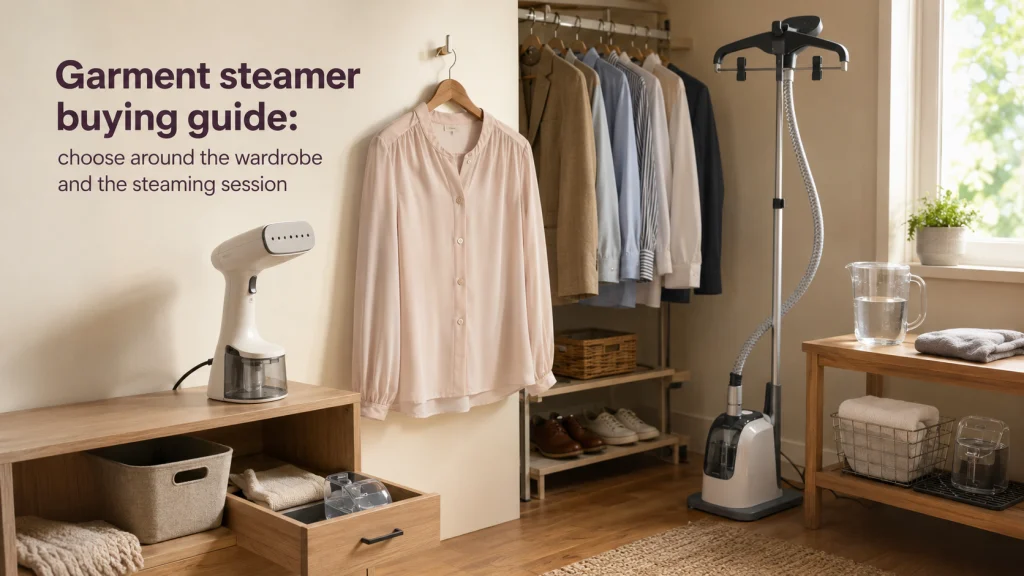
Garment steamer buying guide: choose around the wardrobe and the steaming session

Garment Steamer Buying Guide

A garment steamer works best when its size and workflow match how you remove wrinkles. Quick touchups, several-garment sessions, and batches place different demands on tank capacity, filled weight, storage, and refill frequency. The choice also depends on whether you want relaxed wrinkle release or the sharper finish created by heat and pressure. Use those

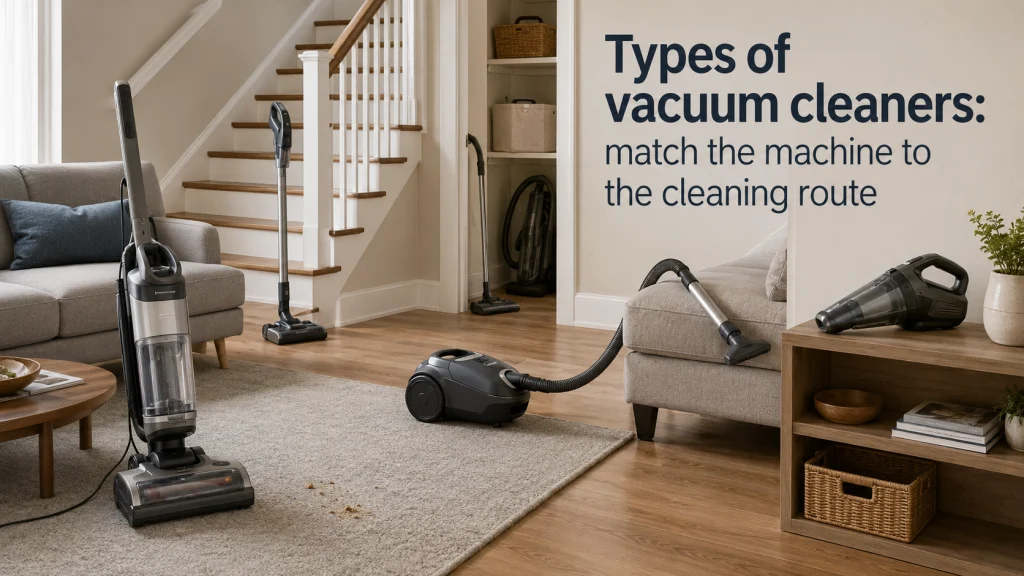
Types of vacuum cleaners: match the machine to the cleaning route

Types Of Vacuum Cleaners

Choosing a household vacuum is mainly a routing decision, not a contest for one universal winner. Upright, canister, stick, and handheld designs move weight, reach, runtime, disposal, storage, and maintenance to different places in the routine. Floors, stairs, session length, power, and emptying all change the answer. The goal is to identify an architecture and

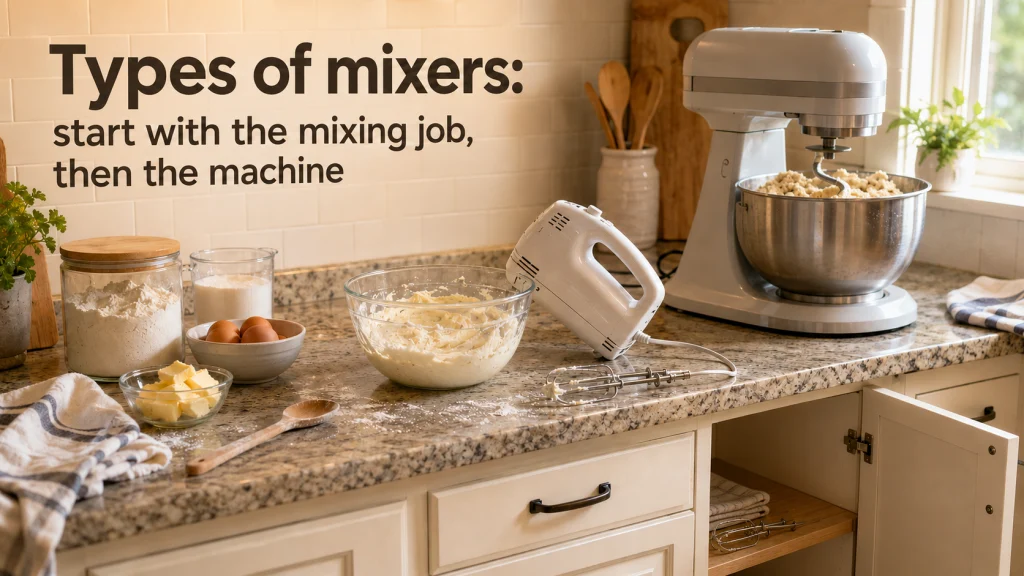
Types of mixers: start with the mixing job, then the machine

Types Of Mixers

Choosing among the main types of mixers gets easier once you separate four decisions that are often mashed into one feature list: mixer class, ownership fit, within-class criteria, and current product selection. A hand mixer and a stand mixer can overlap on many jobs, but storage, batch demands, handling, cleanup, and the need for hands-free

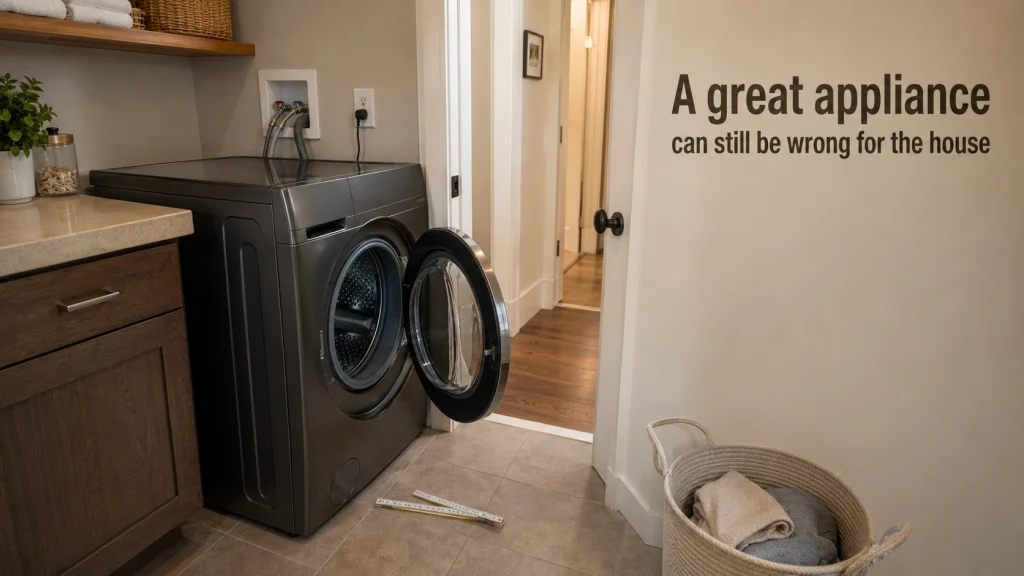
A great appliance can still be wrong for the house

A Great Appliance Can Still Be Wrong For The House

A strong review score does not prove that an appliance belongs in a particular home. The better pre-purchase test is whether the product can move through the delivery path, fit the operating space, work with the household routine, and be handled comfortably by the people who will use it. Those constraints can matter more than

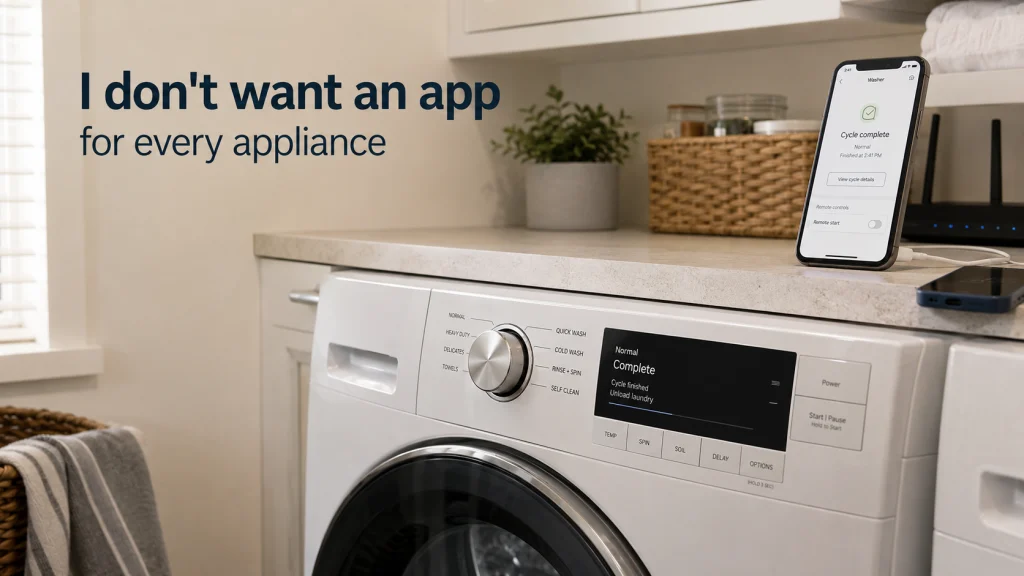
I don’t want an app for every appliance

I Don't Want An App For Every Appliance

Connected features are useful when they remove a repeated household step, not when they simply move a button from the appliance to a phone. The real cost of a smart feature includes account setup, pairing, permissions, notifications, updates, shared access, and the possibility that basic convenience now depends on software. Remote status and useful alerts

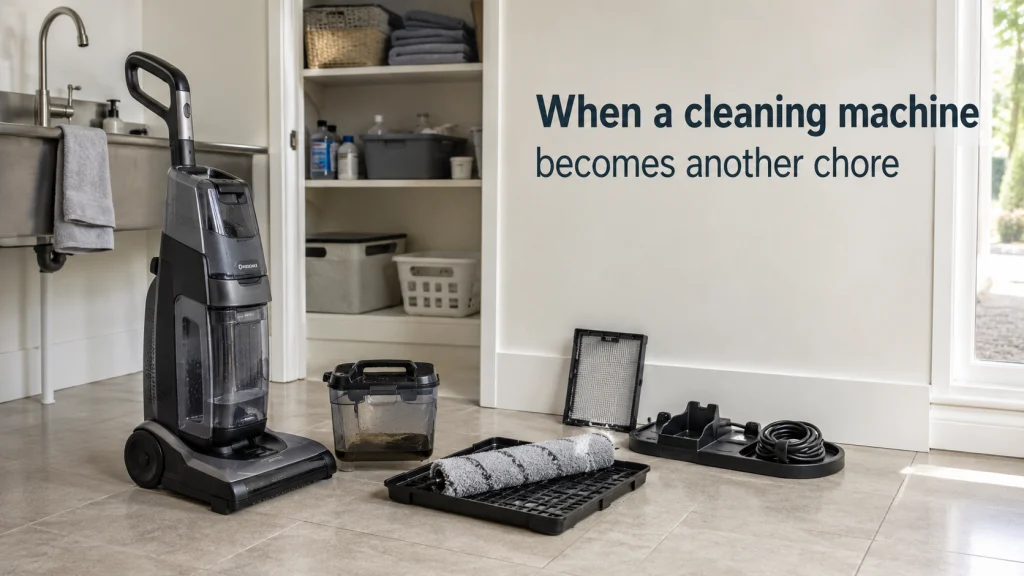
When a cleaning machine becomes another chore

When Cleaning Machine Becomes Another Chore

A cleaning machine can make the visible job easier while quietly adding another round of work after the floor, rug, or surface already looks finished. The useful question is not whether the machine needs maintenance, because nearly every cleaning tool does, but whether its setup, reset, drying, charging, and storage still leave the household with

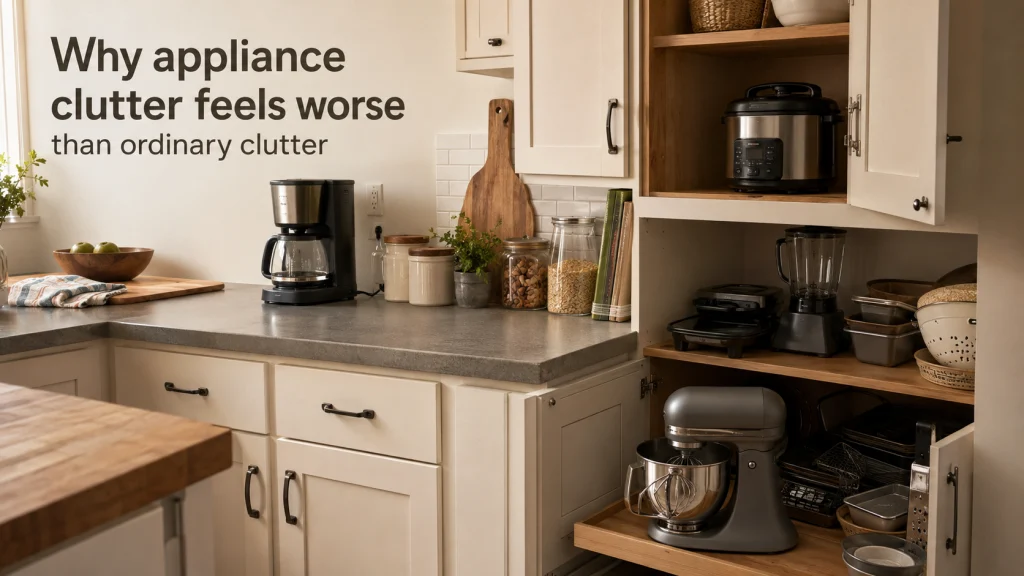
Why appliance clutter feels worse than ordinary clutter?

Why Appliance Clutter Feels Worse

Appliance clutter can be harder to judge than ordinary clutter because each machine usually came home for a real job, cost real money, and may still be useful under the right circumstances. The difficult part is not counting how often something gets used, but separating genuine occasional value from an imagined routine that no longer

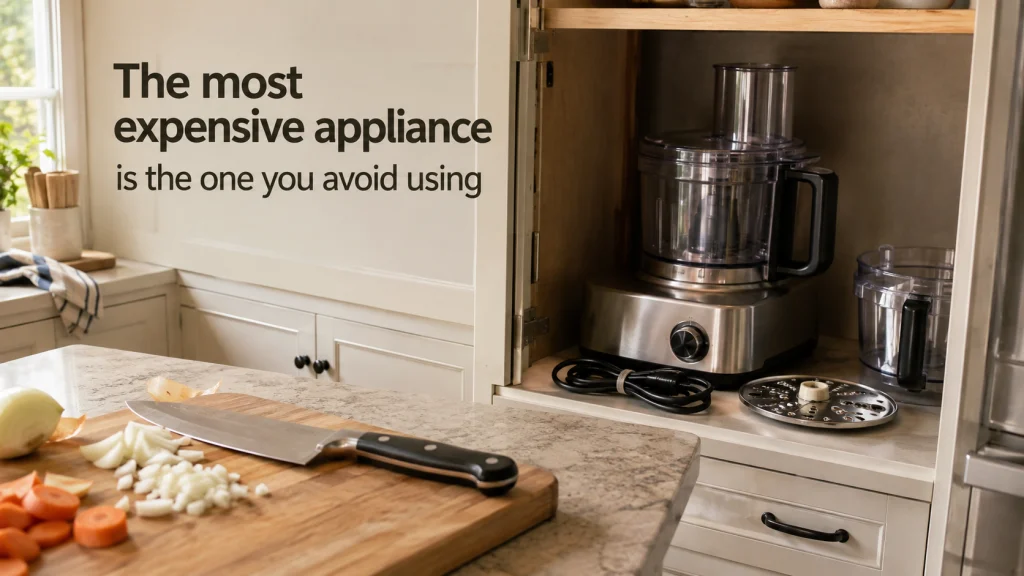
The most expensive appliance is the one you avoid using

The Most Expensive Appliance Is The One You Avoid

A technically capable appliance can still be a poor fit when using it asks for more effort than the household wants to spend on the task. Repeated avoidance is useful information because it points to friction in retrieval, setup, handling, cleanup, storage, or task frequency rather than automatically proving the product is bad. The useful

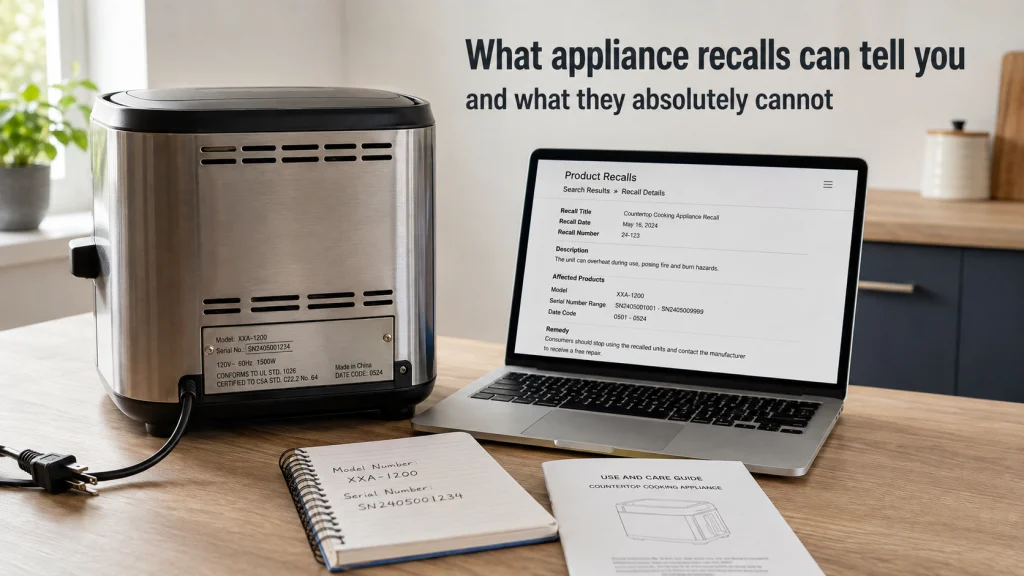
What appliance recalls can tell you, and what they absolutely cannot

What Appliance Recalls Can Tell You

Appliance recall data is useful when it stays tied to a specific product, hazard, affected group, and remedy. A current CPSC snapshot can show which household-equipment records and hazard labels appear in a defined sample, but those counts still do not become failure rates without comparable exposure data. The practical takeaway is to use recall

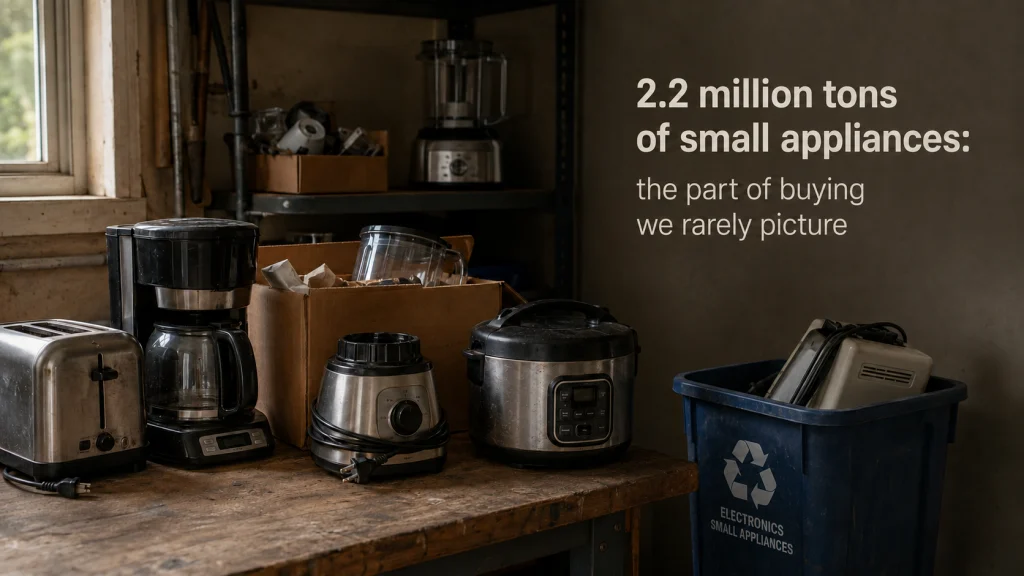
2.2 million tons of small appliances: the part of buying we rarely picture

Small Appliance Waste

Buying a small appliance is usually framed as a question of price, features, and convenience, but every machine eventually becomes a physical object that still has to go somewhere. EPA’s small-appliance waste data for 2018, the latest year in this published series, puts generated waste at about 2.2 million tons, with most of that material